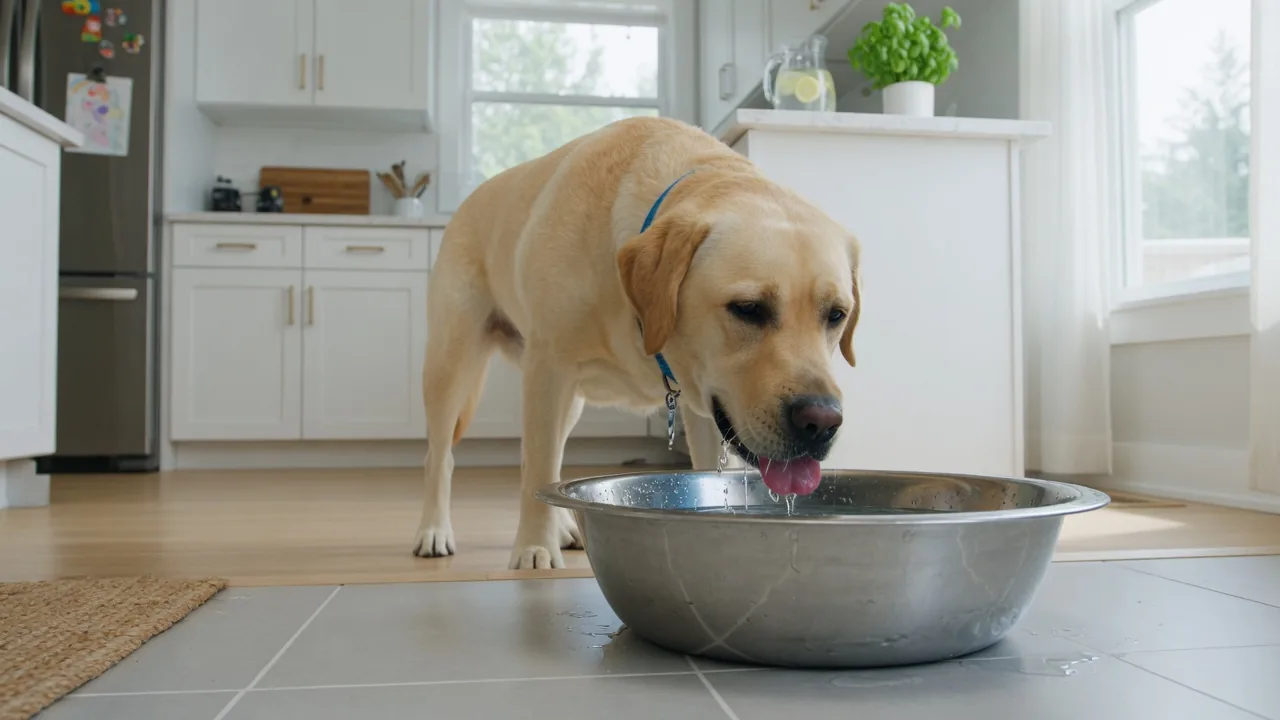
Early-bird offer70% off all printable dog guidesEnds December 15

--days--hrs--min--sec

Shop the guides

Graze Journal

Slow Feeding Tips & Guides

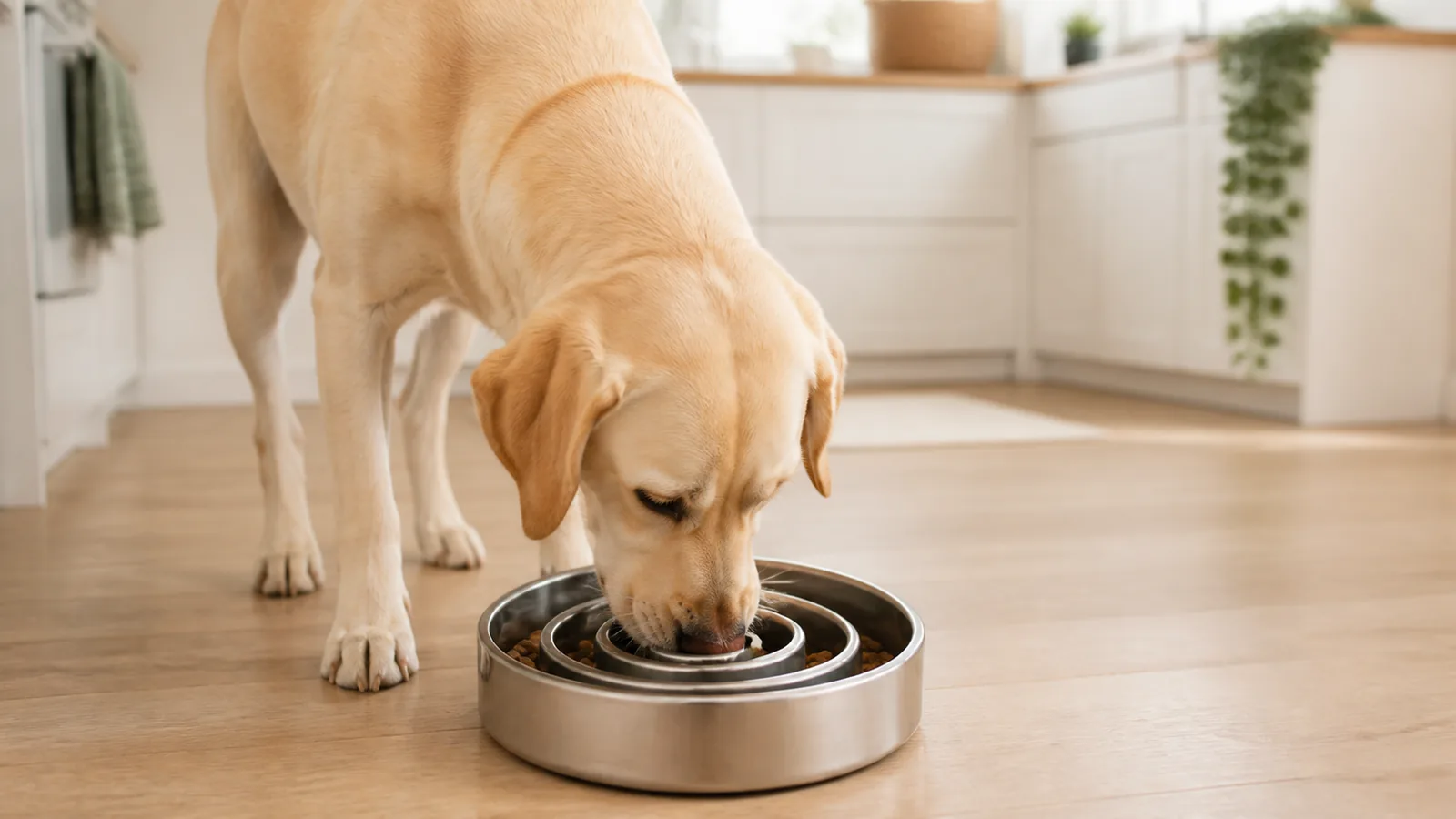
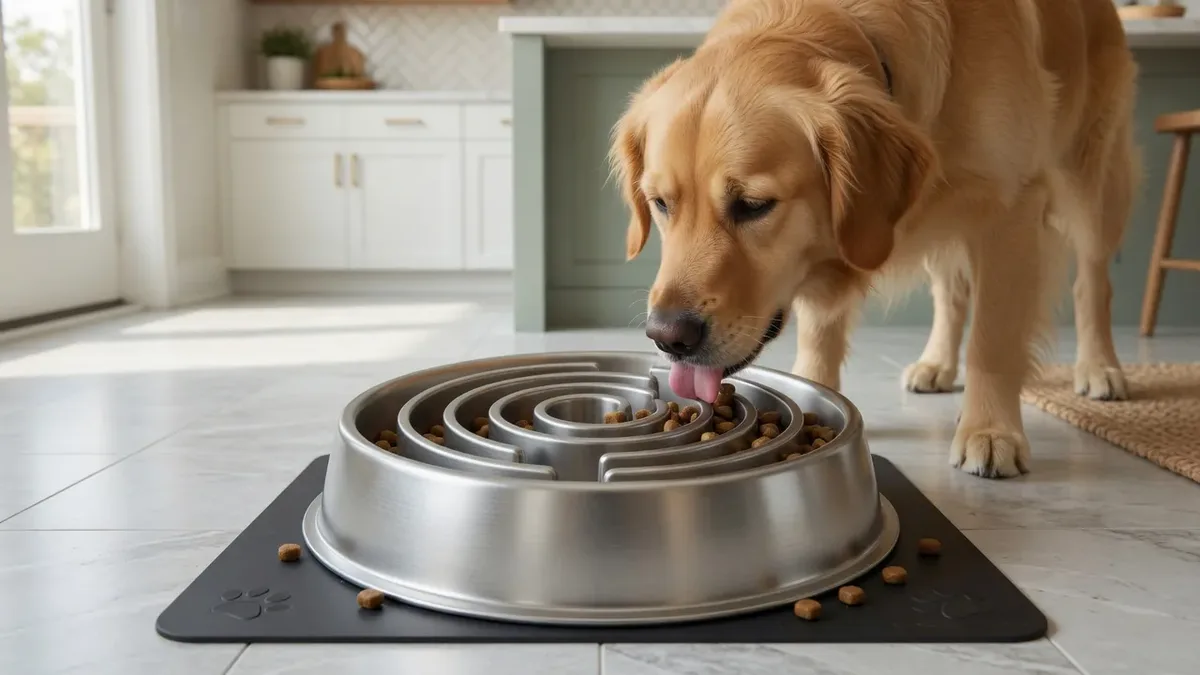
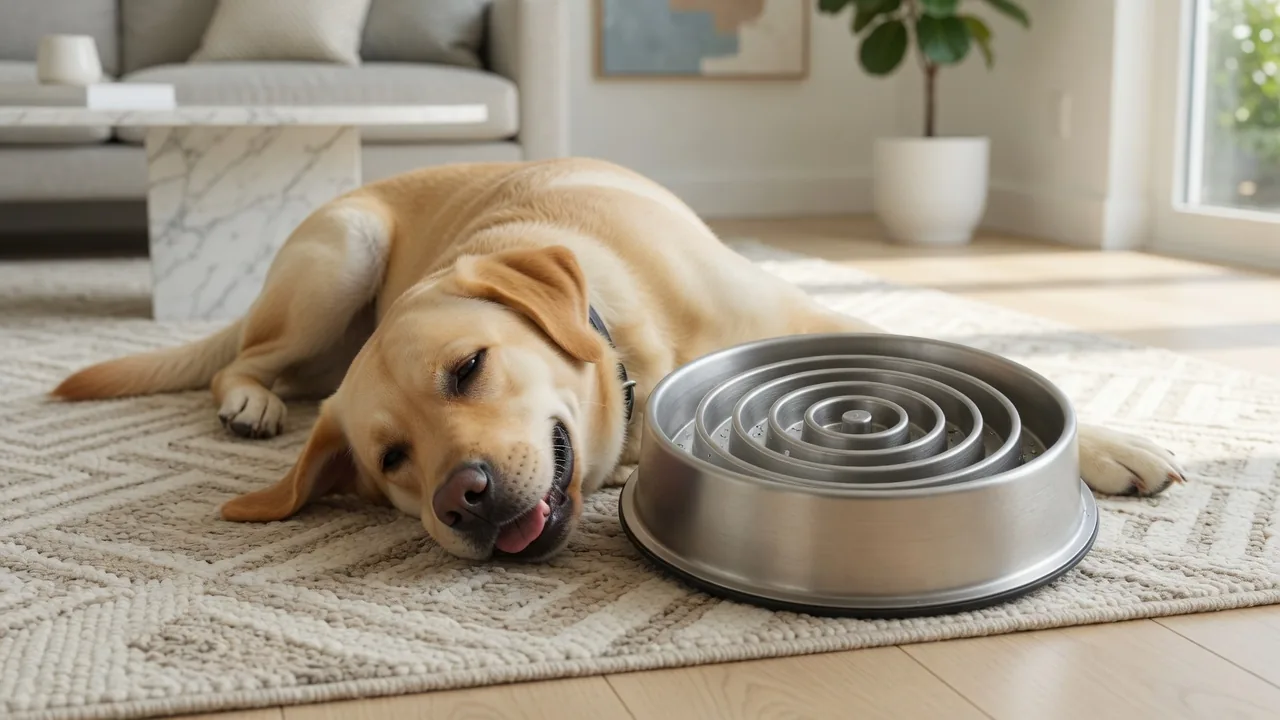
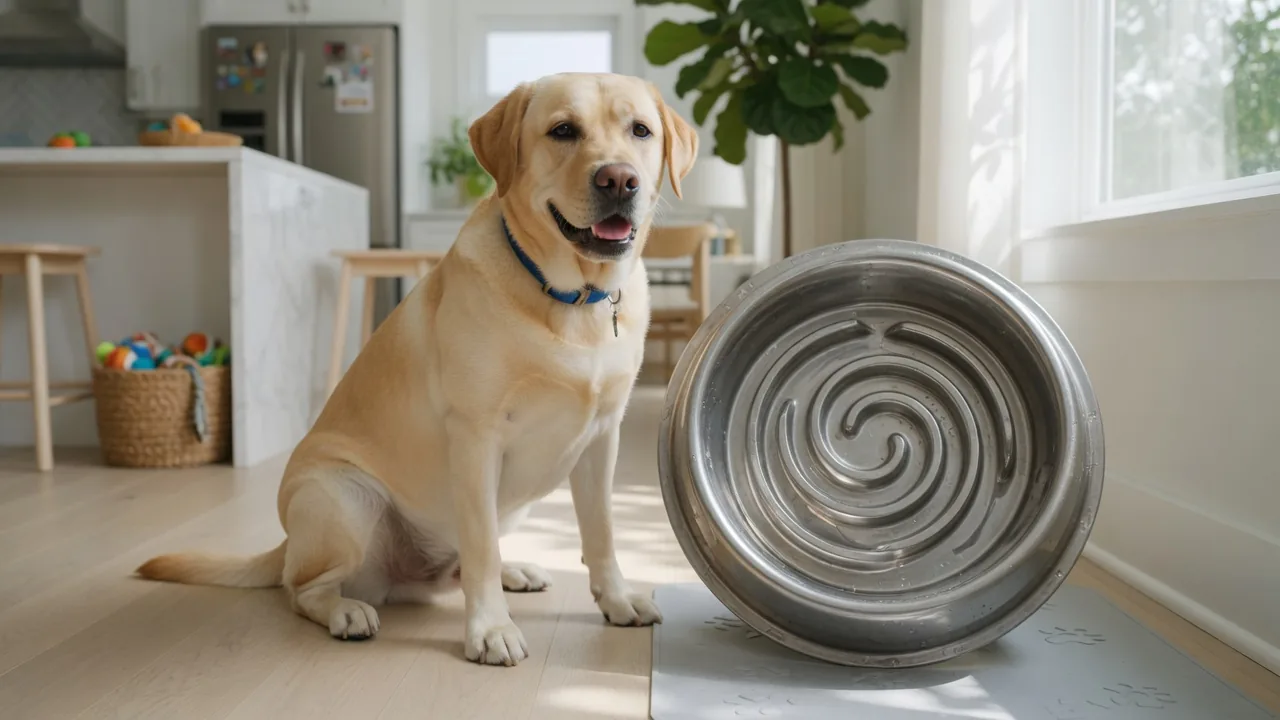
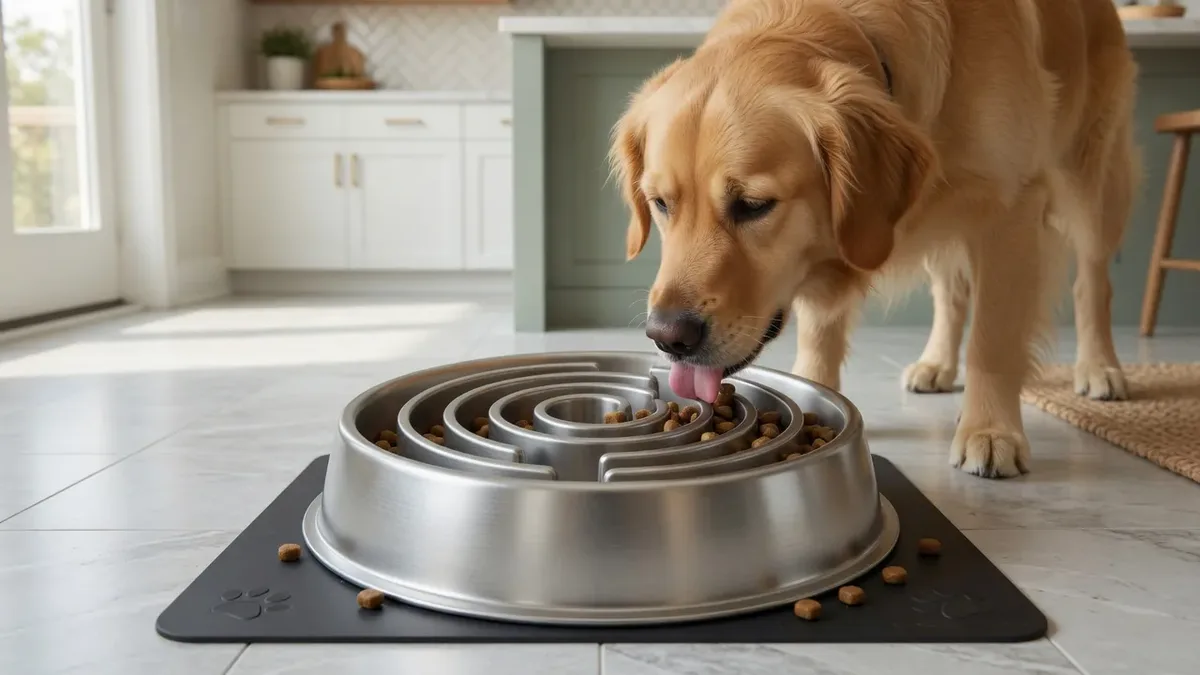
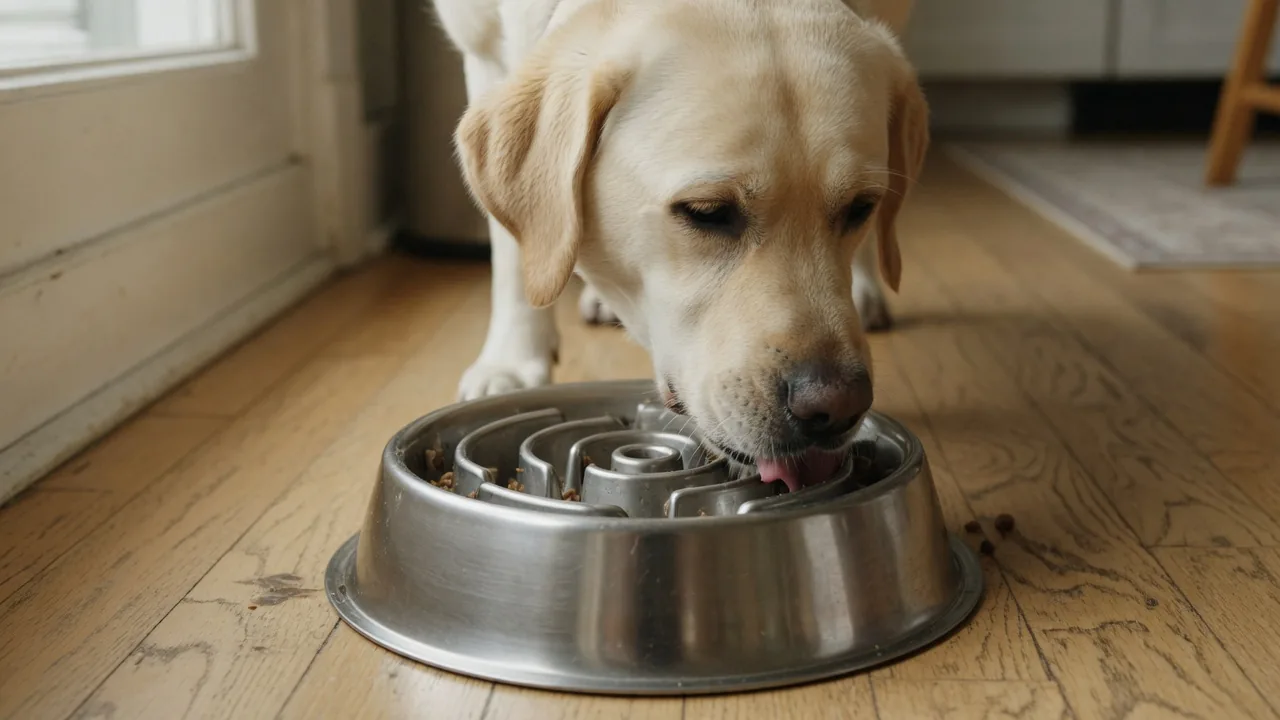
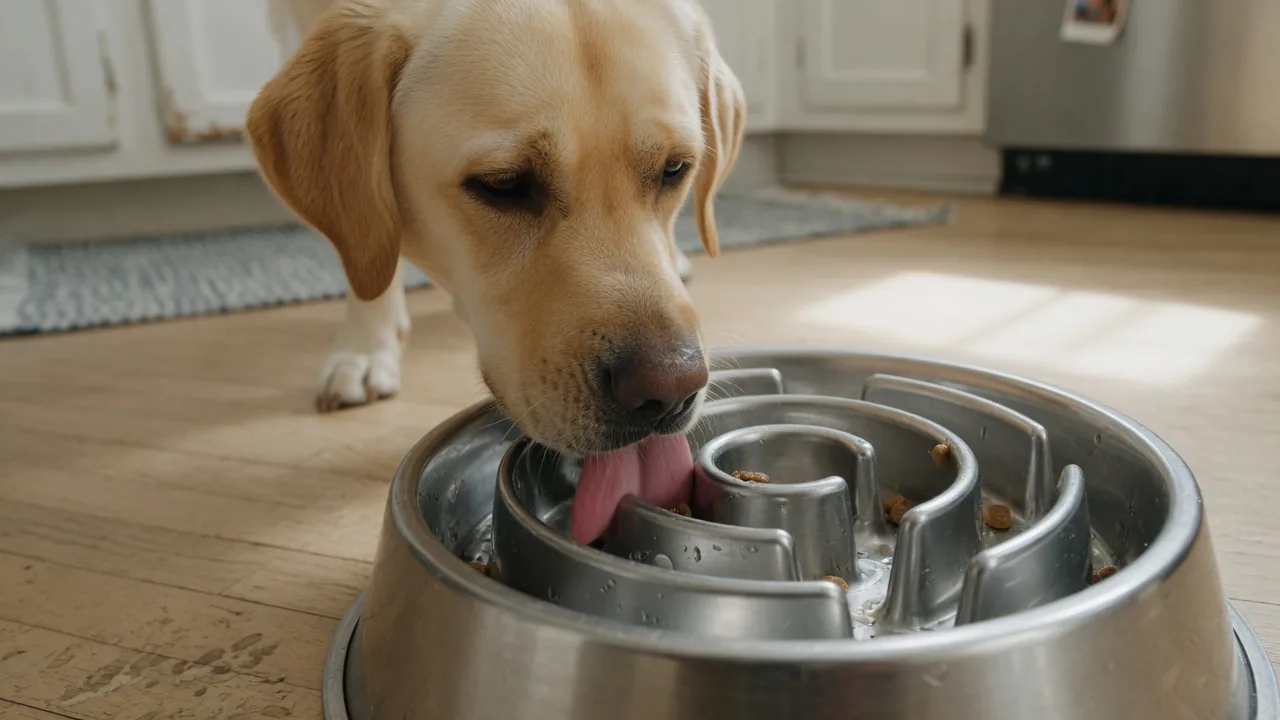
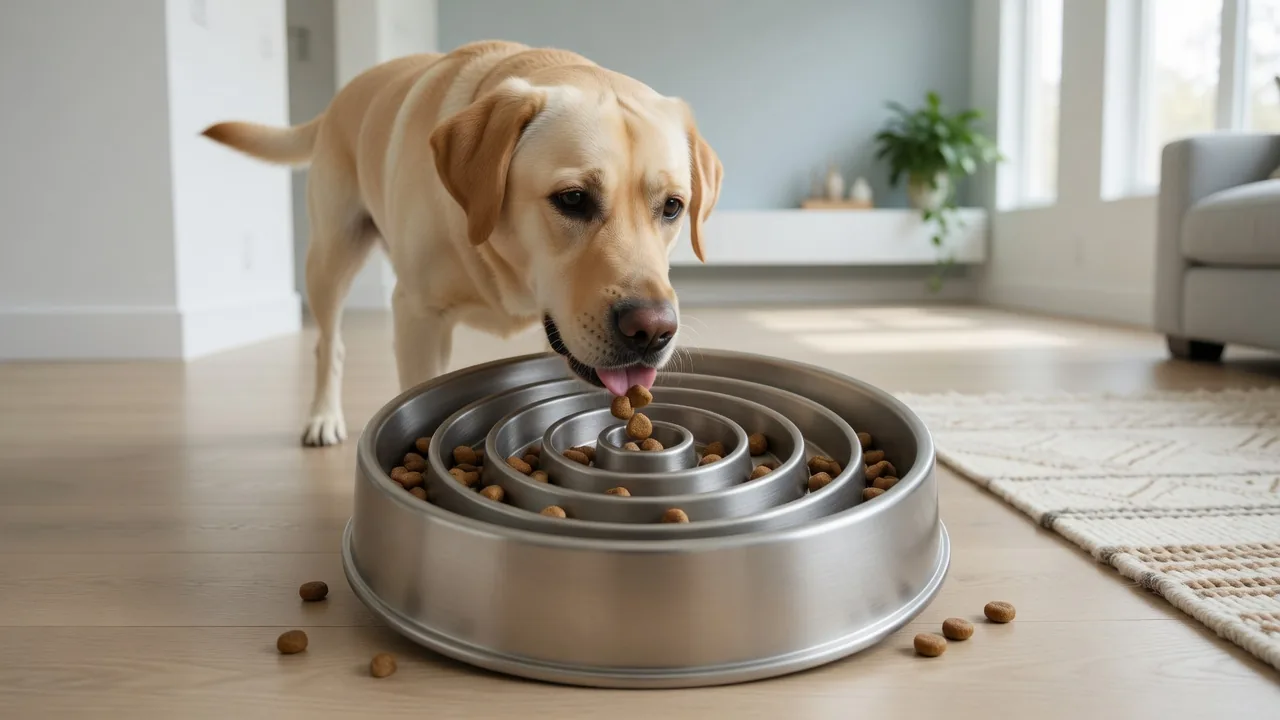
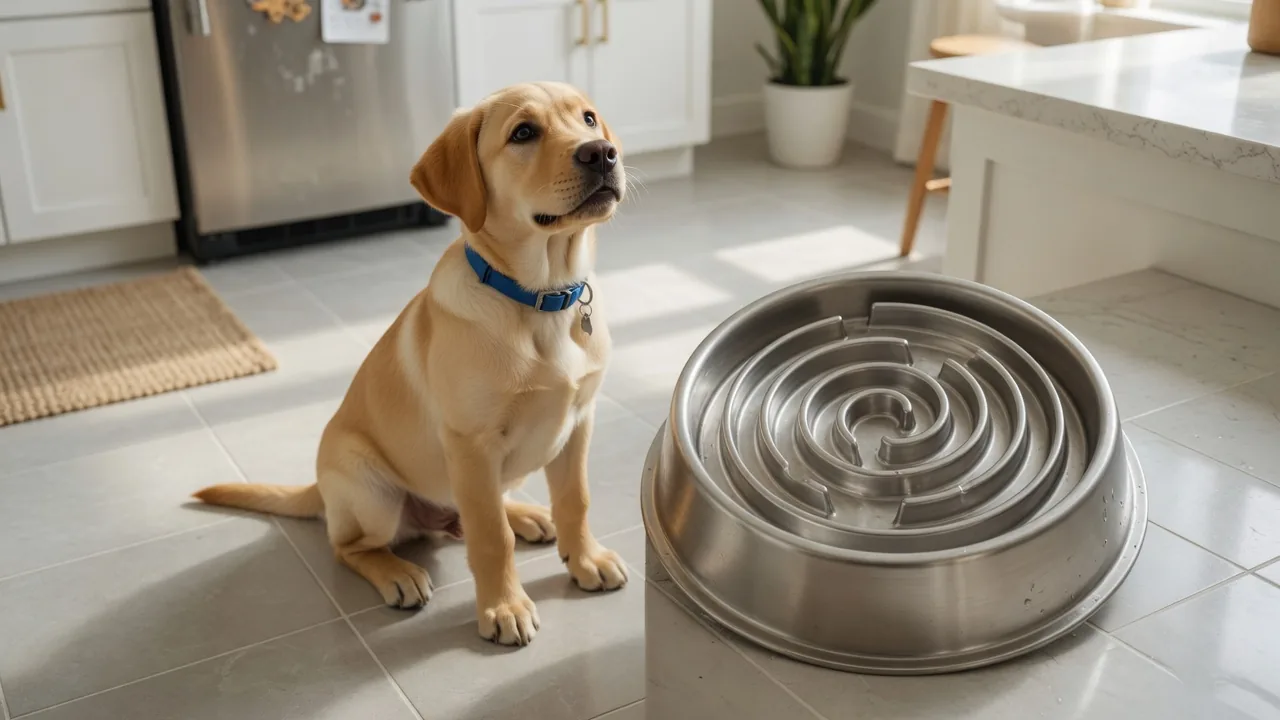
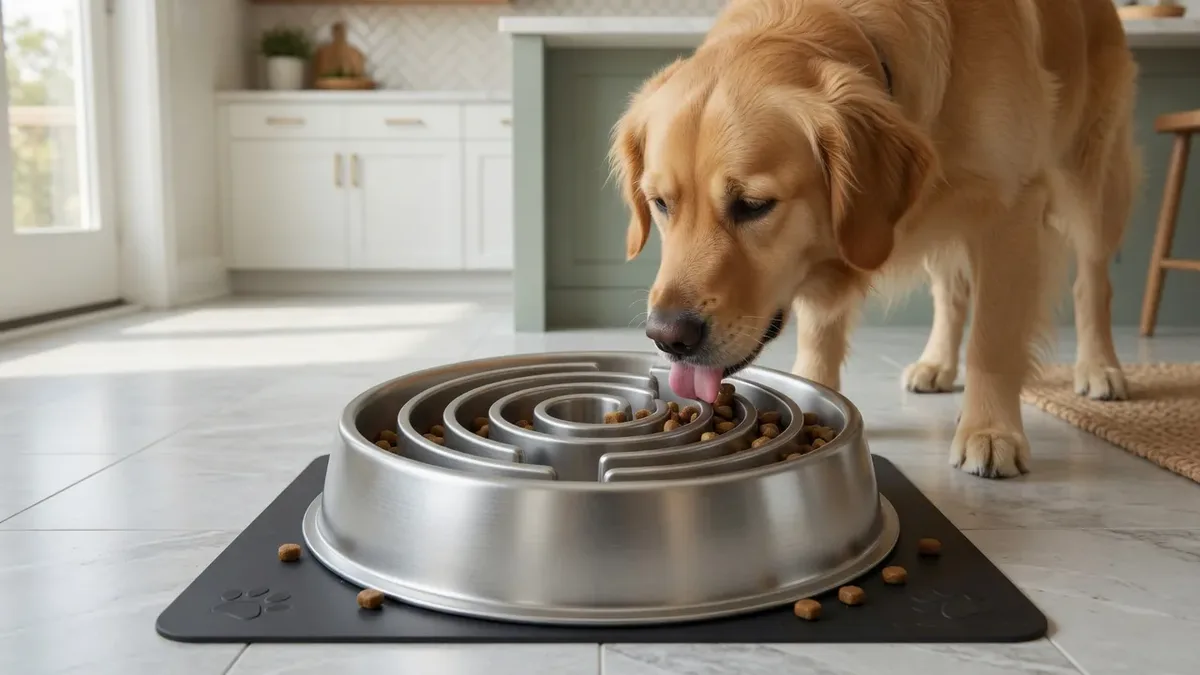
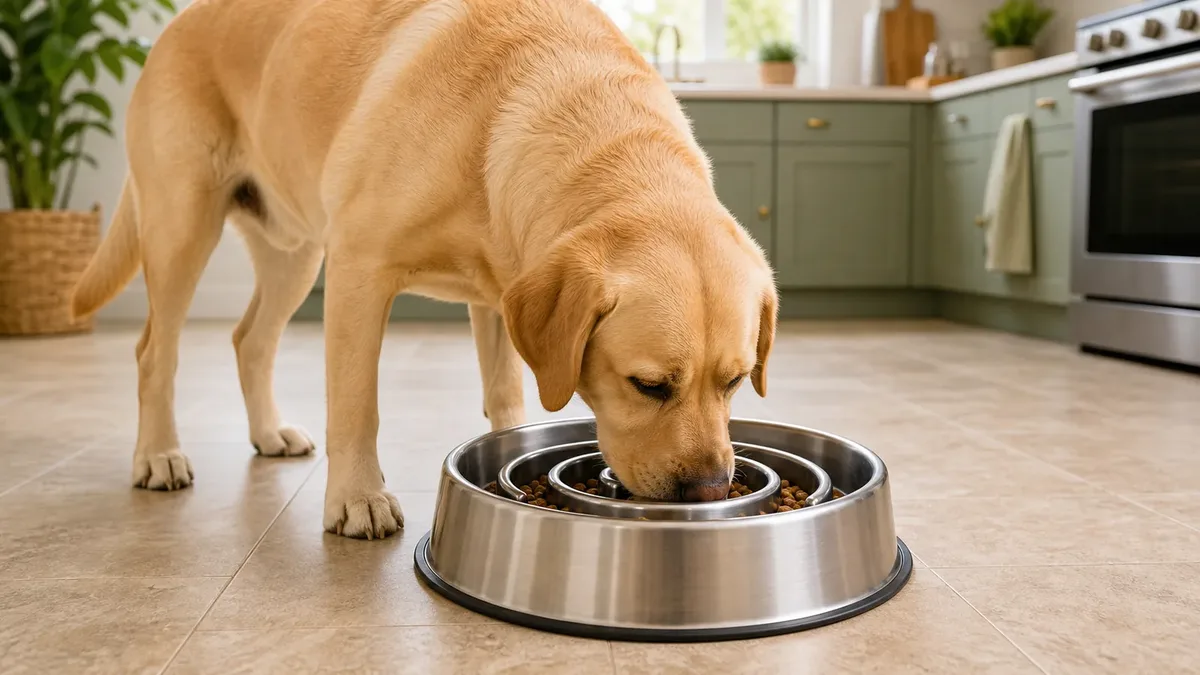
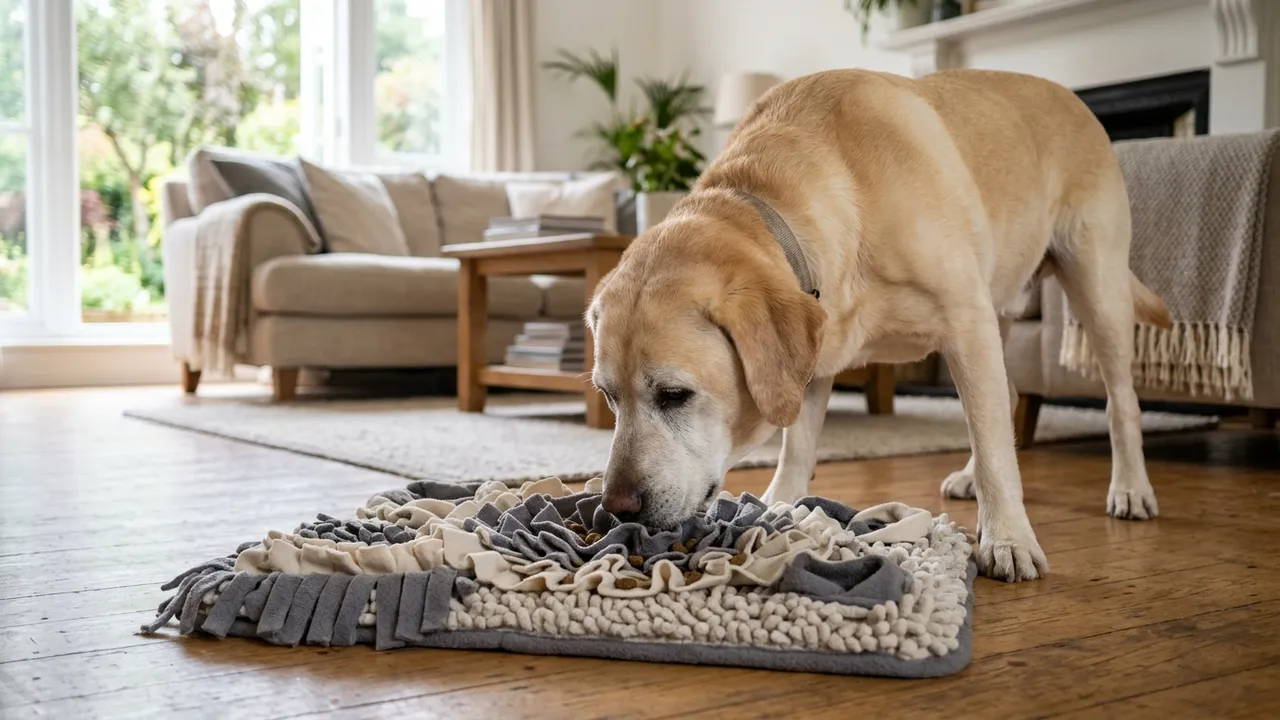
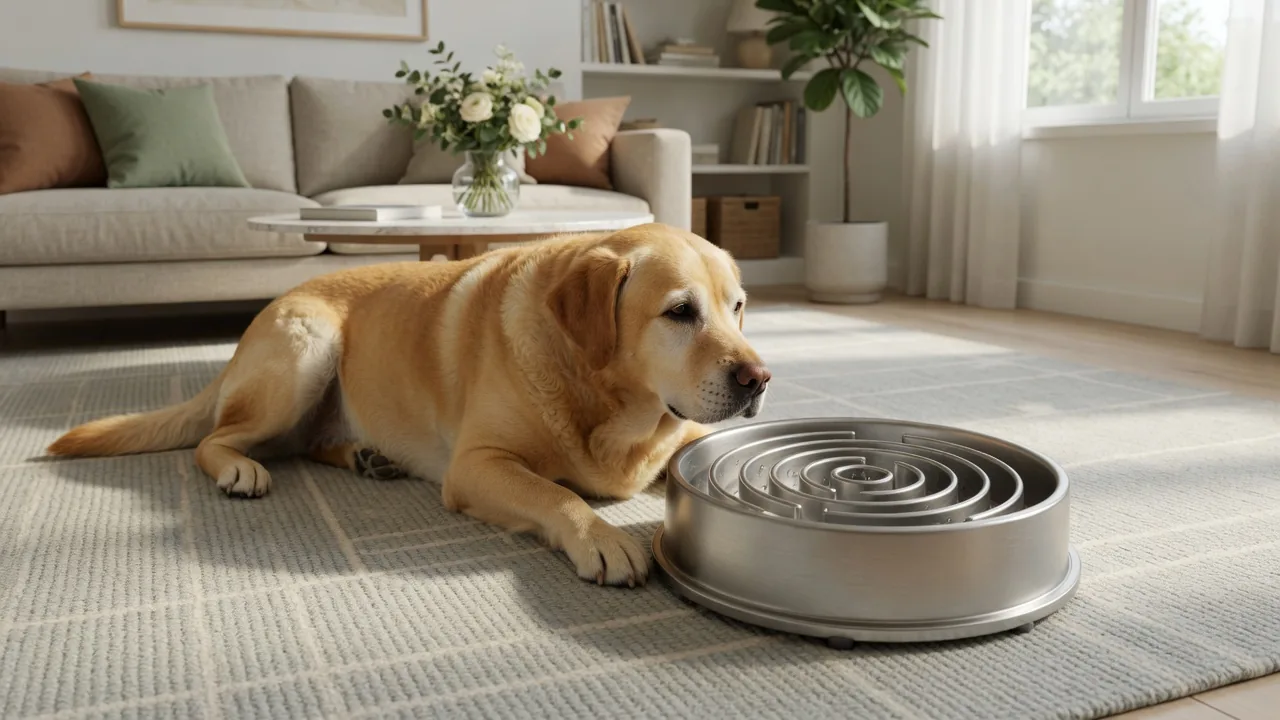
Every guide in the Graze Journal exists to answer one question: how do you get a dog to eat slower? The articles below cover why dogs gulp their food in the first place, what a slow feeder bowl or snuffle mat actually changes at mealtime, which ridge pattern suits your dog's size and muzzle shape, and when fast eating is a symptom worth taking to a vet rather than a problem to solve with a bowl.

All guides

Are Slow Feeder Bowls Good for Dogs?

Are Slow Feeder Bowls Good for Dogs?

Are slow feeder bowls good for dogs? Usually, with caveats. See the real pros and cons, which dogs should avoid one, and the safest material.

Are Snuffle Mats Good for Dogs?

Are Snuffle Mats Good for Dogs?

Are snuffle mats good for dogs? Yes for most: the real benefits, the risks (chewing, hygiene, guarding), which dogs should skip them, and what to buy.

25 Best Dog Blogs to Follow in 2026

25 Best Dog Blogs to Follow in 2026

The 25 best dog blogs in 2026, hand-picked and verified active — training, health, breed-specific, enrichment and rescue voices actually worth your time.

Best Dog Food for Allergies

Best Dog Food for Allergies

Best dog food for allergies depends on the trigger. Compare hydrolyzed, novel-protein and limited-ingredient diets, plus how to run a proper food trial.

Best Dog Food for Sensitive Stomach

Best Dog Food for Sensitive Stomach

The best dog food for a sensitive stomach: what to look for on the label, which type suits which symptoms, how to switch safely, and when to see a vet.

Best Slow Feeder Dog Bowls in 2026 (Compared)

Best Slow Feeder Dog Bowls in 2026 (Compared)

The best slow feeder dog bowls in 2026, compared by type: maze, mat, lick and DIY. Find the right pick for your dog's size, speed and eating style.

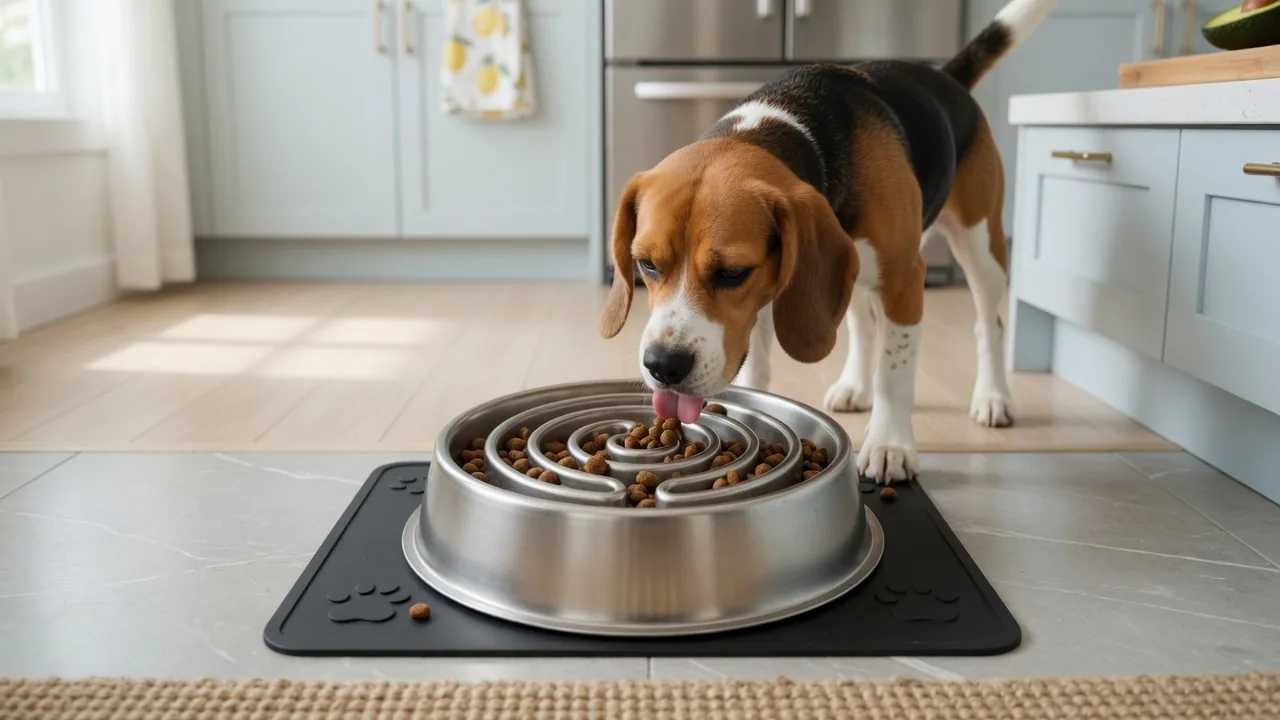
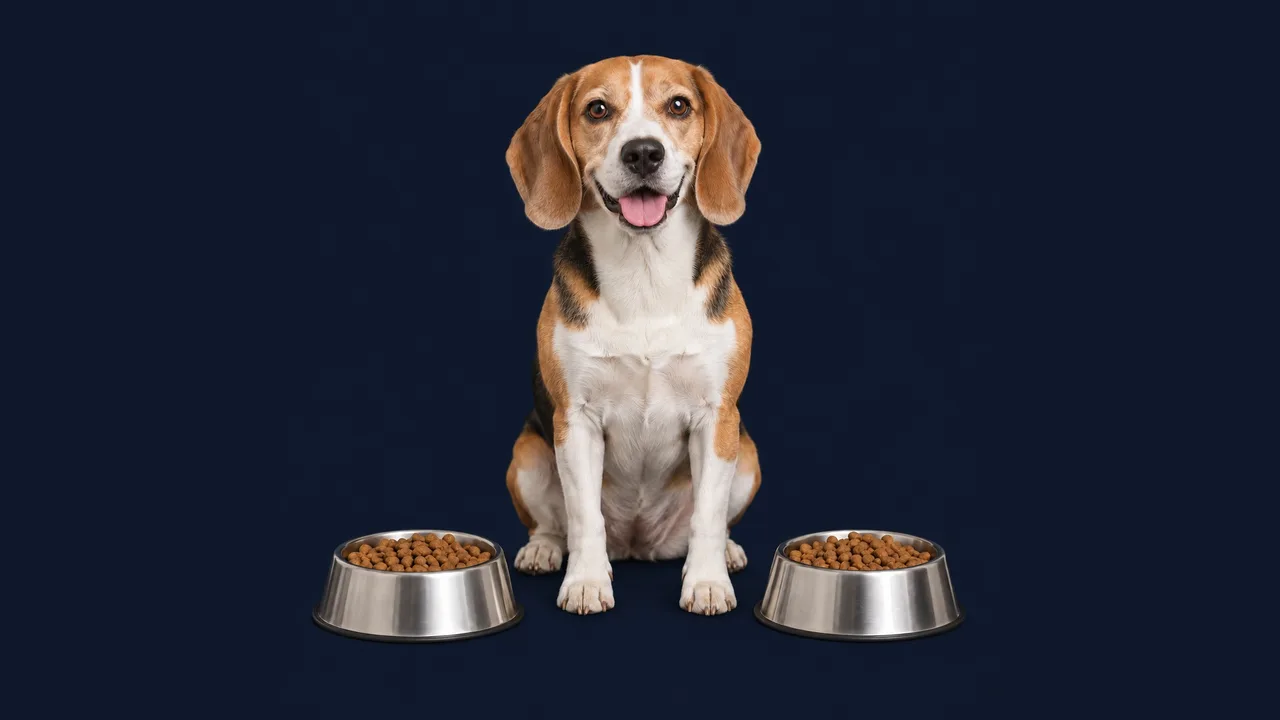
Best Slow Feeder for Beagles

Best Slow Feeder for Beagles

The best slow feeder for a Beagle: maze depth, bowl size and ear-friendly fit for a food-obsessed scent hound, plus portion tips to keep the weight off.

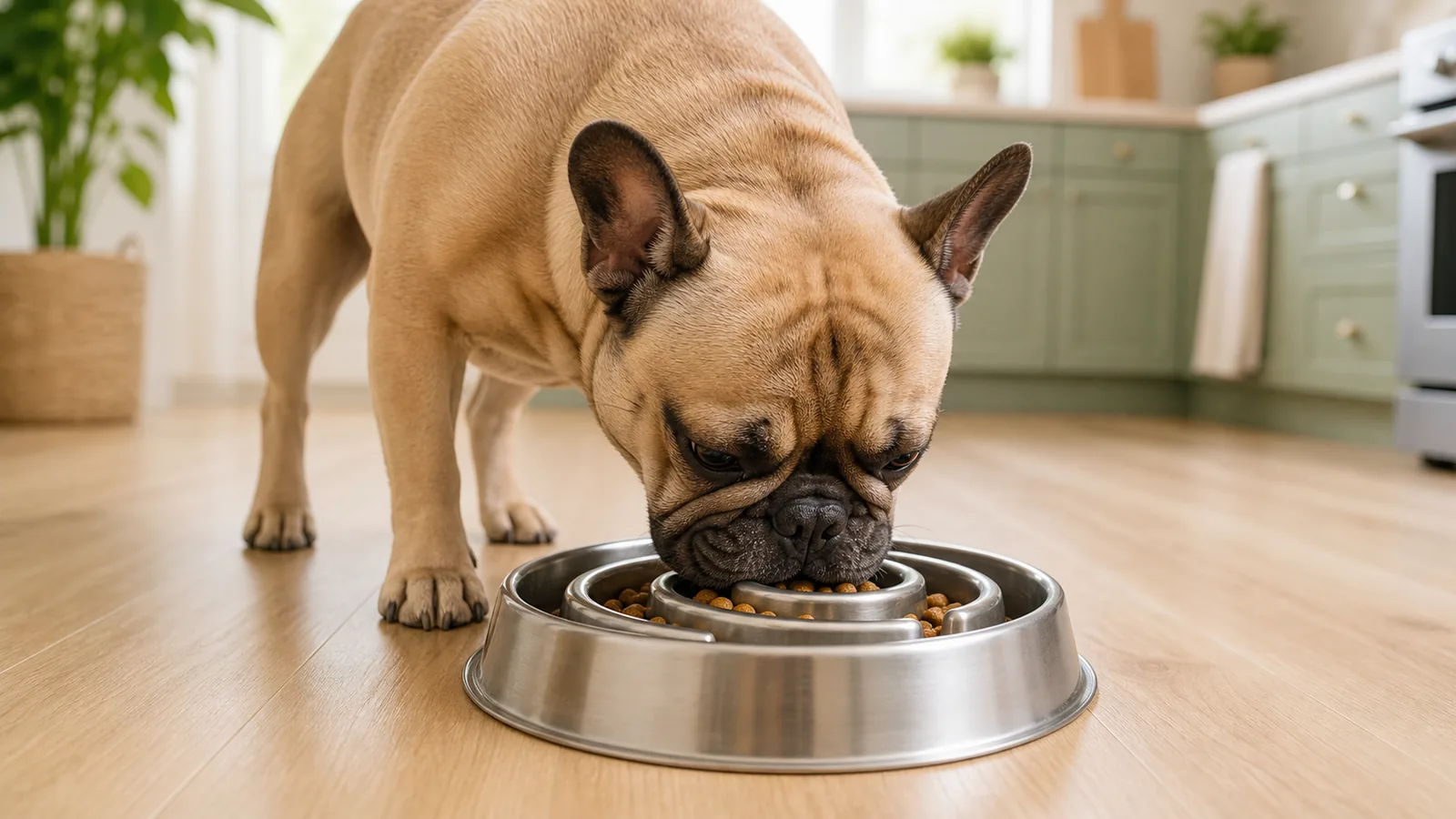
Best Slow Feeder for Bulldogs & French Bulldogs

Best Slow Feeder for Bulldogs & French Bulldogs

The best slow feeder for Bulldogs and French Bulldogs has wide, shallow channels. How to check fit, pace meals safely, and spot breathing red flags.

Best Slow Feeder for Dachshunds

Best Slow Feeder for Dachshunds

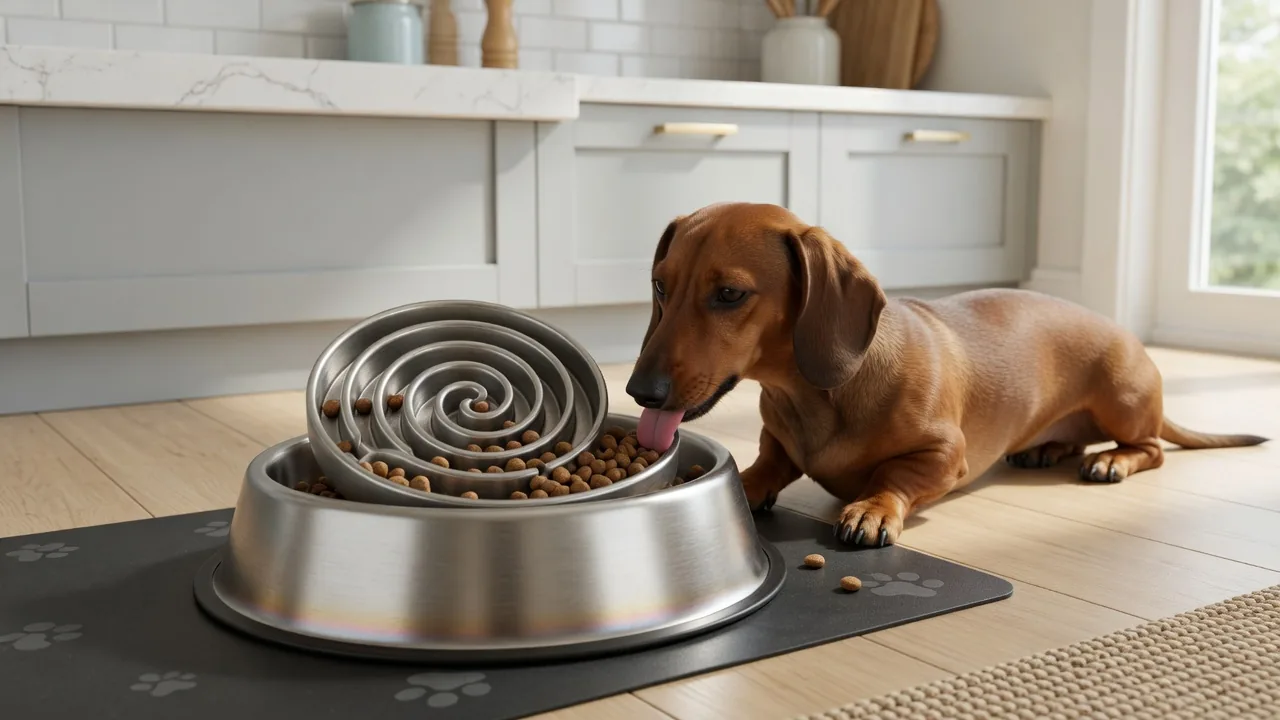
Choosing a slow feeder for a Dachshund: shallow maze, low rim, mini vs standard sizing, and what a bowl can and can't do for back health.

Best Slow Feeder for German Shepherds

Best Slow Feeder for German Shepherds

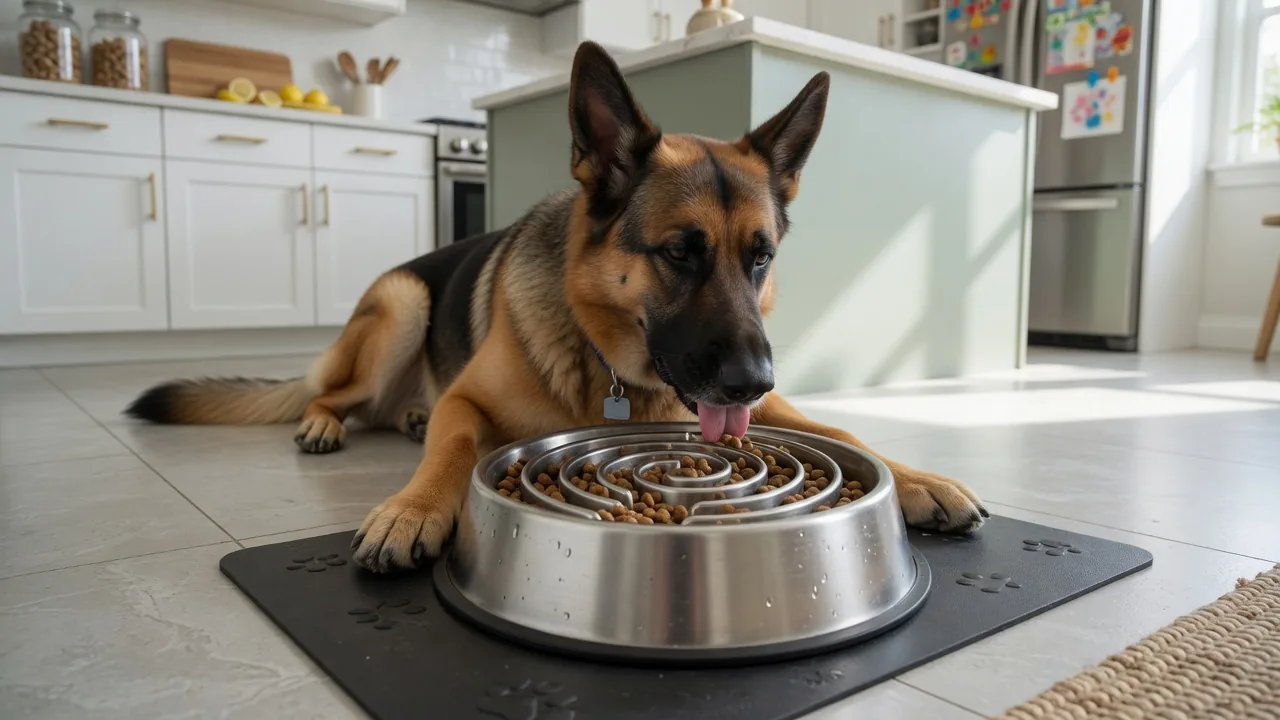
What to look for in a German Shepherd slow feeder: bowl size by meal, channel width for a long muzzle, floor vs raised, and what a bowl can't do for bloat.

Best Slow Feeder for Golden Retrievers

Best Slow Feeder for Golden Retrievers

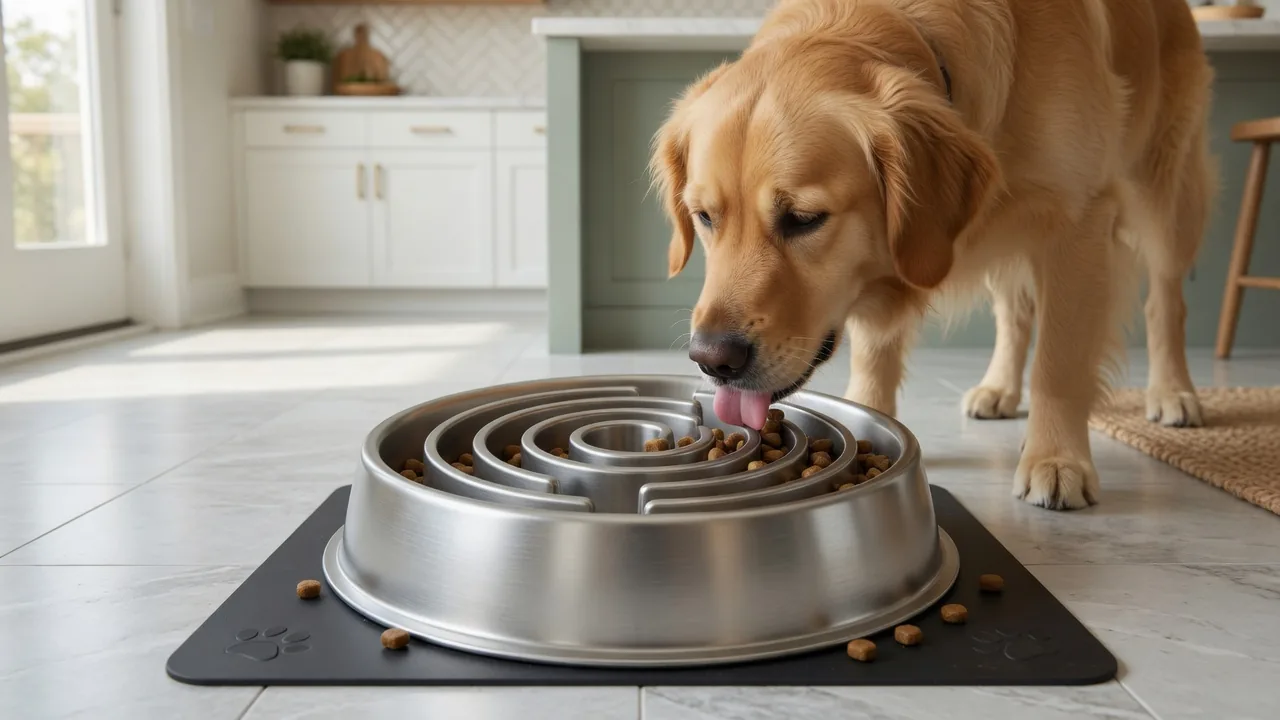
The best slow feeder for a Golden Retriever: bowl size, maze depth and material for a 55–75 lb gulper, plus puppy, senior and weight-control feeding tips.

Best Slow Feeder Bowl for Great Danes (Giant Breed Bloat Risk)

Best slow feeder for a Great Dane: the capacity and maze a giant breed needs, why flat beats raised for bloat-prone dogs, and how to compare bowl types.

Best Slow Feeder for Huskies

Best Slow Feeder for Huskies

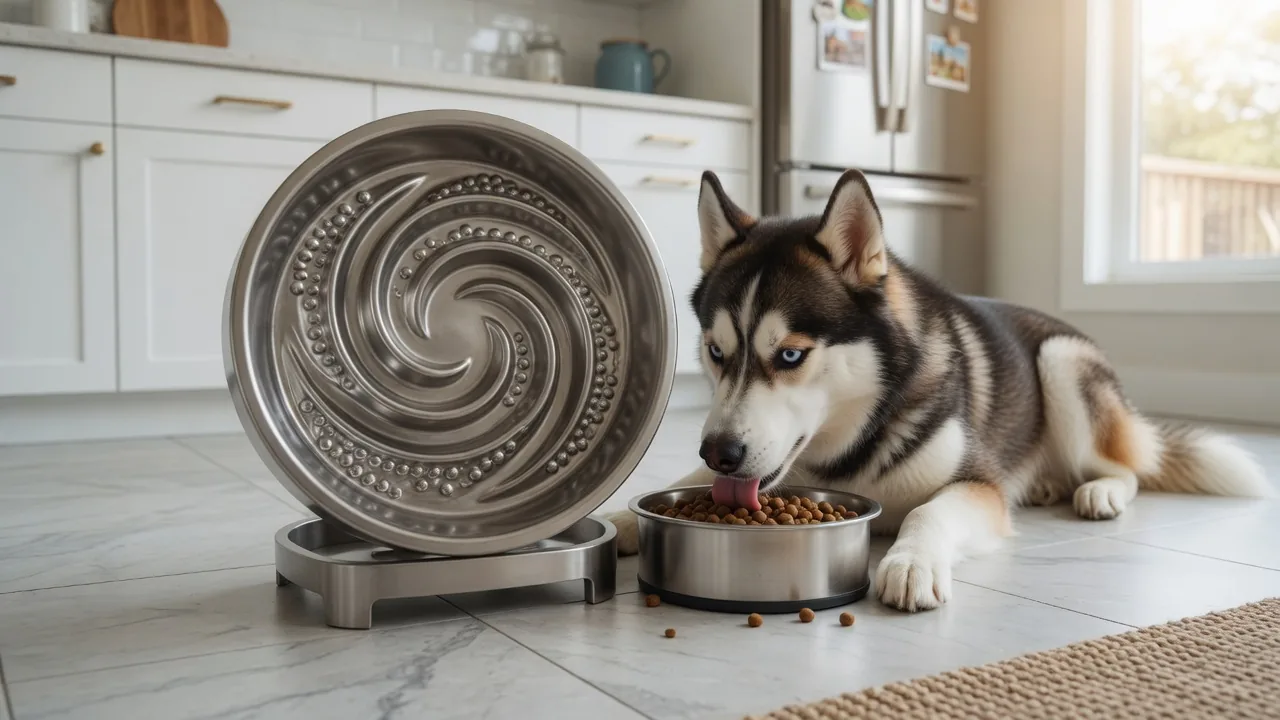
Best slow feeder for husky dogs: bowl size, maze depth and setups for gulpers, picky eaters and bowl-flippers, plus how to switch without meal strikes.

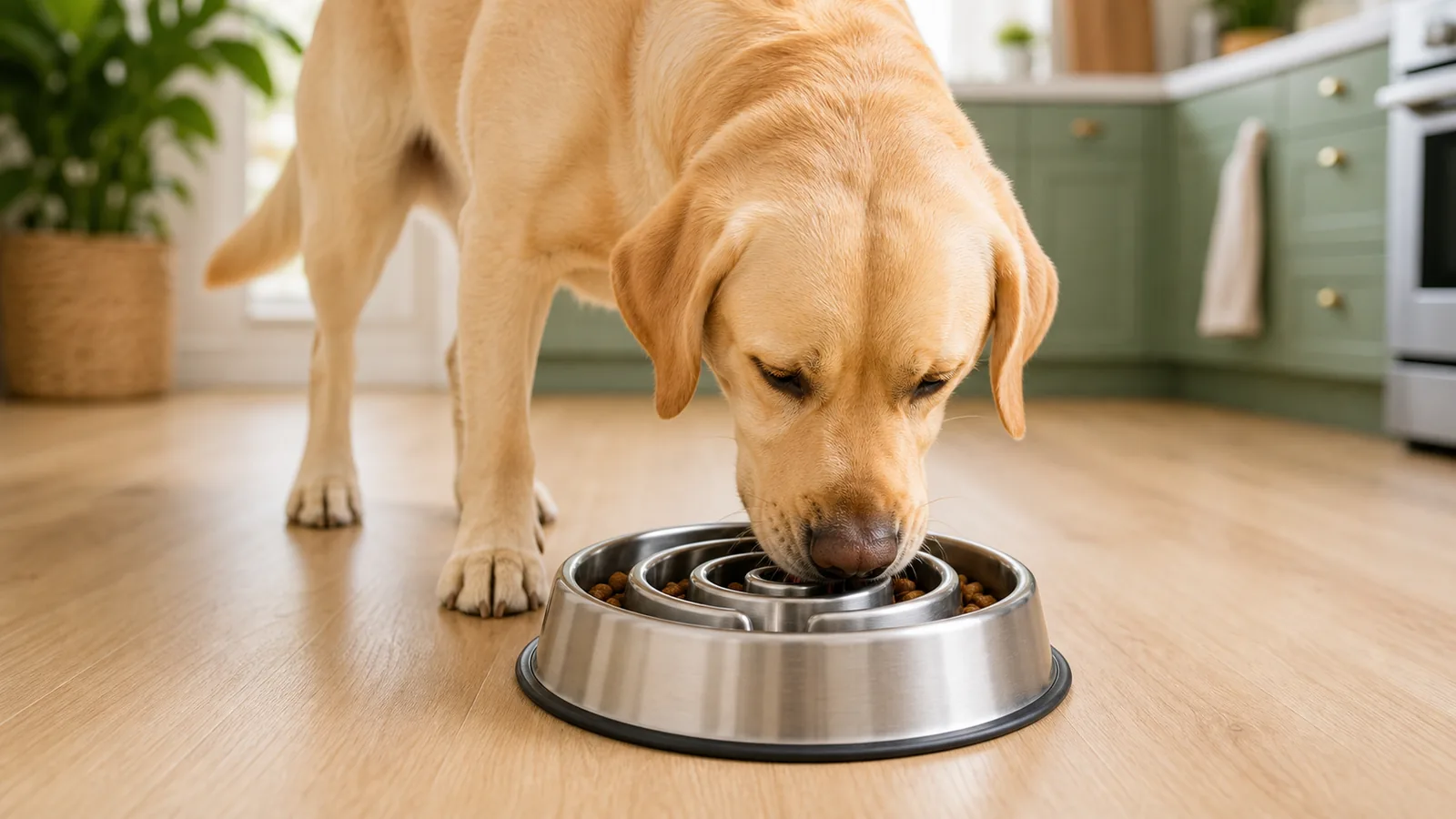
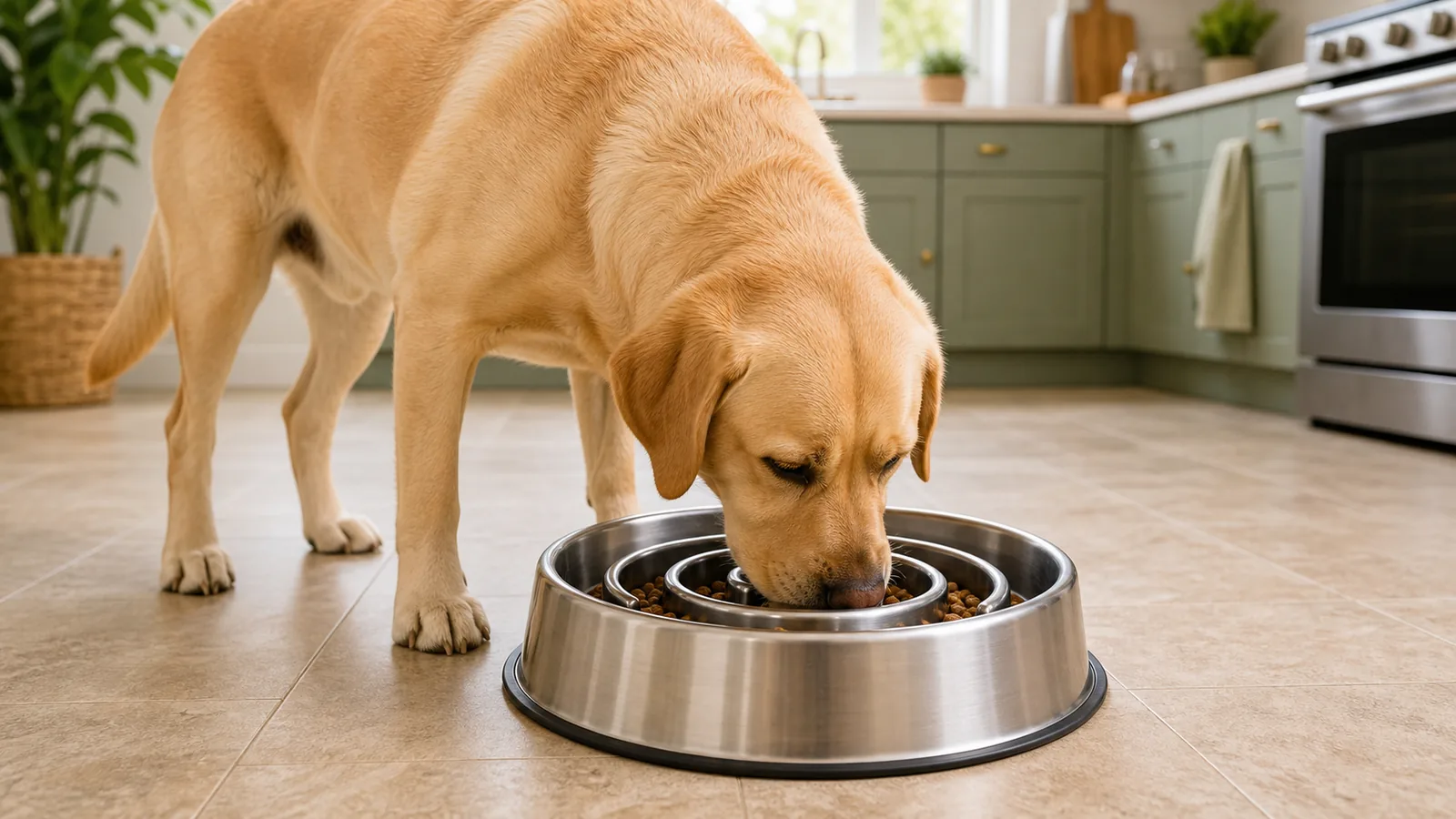
Best Slow Feeder Bowl for Labradors (Fast Eaters)

Best Slow Feeder Bowl for Labradors (Fast Eaters)

Looking for the best slow feeder for a Labrador? What size and maze a Lab needs, why steel beats plastic, and how to keep a hungry Lab lean.

Best Slow Feeder for Large Dogs (Size-Based Buying Guide)

Best Slow Feeder for Large Dogs (Size-Based Buying Guide)

How to choose the best slow feeder for large dogs by weight and meal size: capacity, maze depth, base weight, material and bloat-risk safety.

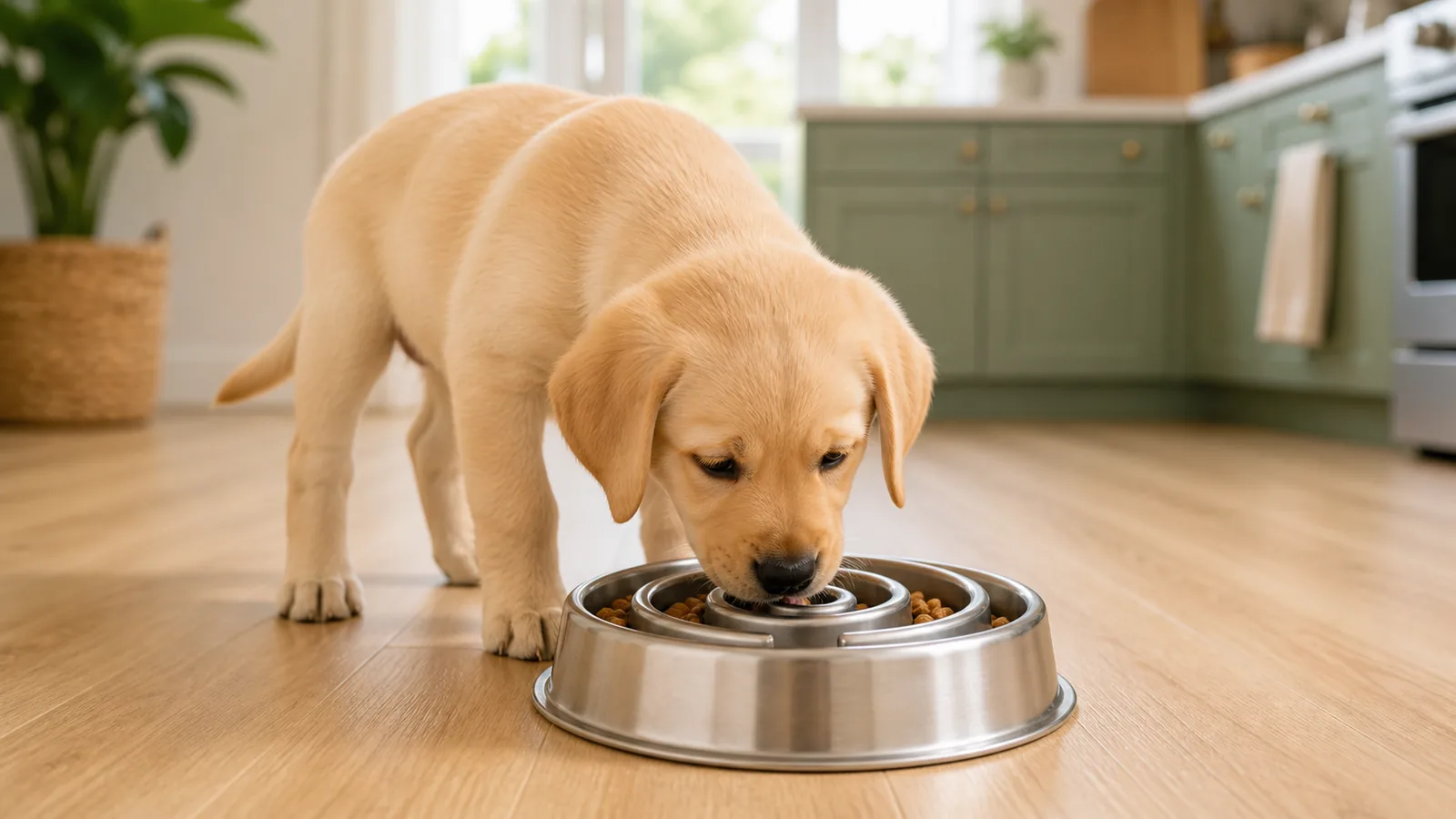
Best Slow Feeder Bowl for Puppies

Best Slow Feeder Bowl for Puppies

Best slow feeder bowl for puppies: when to start, the right size and maze by age, teething-safe materials, and how to make sure your puppy eats enough.

Best Stainless Steel Slow Feeder Dog Bowl (2026)

Best Stainless Steel Slow Feeder Dog Bowl (2026)

The best stainless steel slow feeder dog bowl for 2026: maze depth, steel grade, non-slip base, honest downsides, sizing and cleaning.

Crate Rest Activities for Dogs: Calm Enrichment During Recovery

Crate Rest Activities for Dogs: Calm Enrichment During Recovery

Crate rest activities for dogs, sorted by what your vet allows: calm ideas for every recovery stage, a sample daily routine, and what to avoid completely.

DIY Slow Feeder vs Buying One: Which Is Worth It?

DIY Slow Feeder vs Buying One: Which Is Worth It?

DIY slow feeder dog bowl ideas that work: muffin tin, bundt pan, towel roll and more, what not to use, and when buying a bowl is honestly worth it.

What Is the Purpose of a Slow Feeder Dog Bowl? Does It Work?

What Is the Purpose of a Slow Feeder Dog Bowl? Does It Work?

What is a slow feeder dog bowl for? It slows gulping at mealtime. See what it can and can't do (bloat, weight loss) and when to ask your vet.

Dog Bloat (GDV): Signs, Causes & How to Prevent It

Dog Bloat (GDV): Signs, Causes & How to Prevent It

Dog bloat symptoms that mean an emergency, what causes GDV, which breeds are at risk, what to do, and steps that may help lower the risk.

Why Does My Dog Drink Water Too Fast?

Why Does My Dog Drink Water Too Fast?

Dog drinks water too fast? Learn why dogs gulp, how much water is normal, 9 ways to slow them down safely, and the thirst changes that need a vet.

Dog Eats Too Fast and Throws Up? Here's What to Do

Dog Eats Too Fast and Throws Up? Here's What to Do

Dog eats too fast and throws up? Learn regurgitation vs vomiting, what to do right after, the red flags that need a vet, and how to slow meals down.

7 Dog Enrichment Ideas to Beat Boredom

7 Dog Enrichment Ideas to Beat Boredom

7 dog enrichment ideas sorted by type — sniffing, chewing, licking, puzzles, training — with setup steps, difficulty levels and a simple weekly routine.

Dog Food Toppers Explained

Dog Food Toppers Explained

Dog food toppers explained: what counts as one, safe options, the 10% calorie rule, what to avoid, and how to stop a topped meal being gulped in seconds.

Gassy Dog Remedies That Actually Help

Gassy Dog Remedies That Actually Help

Dog gas remedies that work: slow fast eating, cut scraps, change food gradually. Find your dog's gas type, a 2-week plan and the signs that need a vet.

Why Does My Dog Get Hiccups After Eating?

Why Does My Dog Get Hiccups After Eating?

Hiccups after meals are usually harmless and often linked to eating fast or excitement. See the causes, what to watch at home and when to call a vet.

Dog Puzzle Feeders: Types, Benefits & Best Picks

Dog Puzzle Feeders: Types, Benefits & Best Picks

Dog puzzle feeders compared: maze bowls, snuffle mats, puzzle boards, treat dispensers and stuffable toys. Which type suits your dog, and how to start one.

Dog Puzzle Toy Levels Explained

Dog Puzzle Toy Levels Explained

Dog puzzle toy levels explained: what levels 1-5 mean across brands, how to pick your dog's starting level, and how to know when to step up or down.

How High Should a Raised Dog Bowl Be?

How High Should a Raised Dog Bowl Be?

How high should a raised dog bowl be? Measure your dog, use the size chart, test the fit, and learn when a raised bowl may not be right.

Enrichment for Anxious Dogs: Why Sniffing Helps Them Settle

Enrichment for Anxious Dogs: Why Sniffing Helps Them Settle

Enrichment for anxious dogs: which calming activities suit which kind of anxiety, how to introduce them gently, a daily routine, and when to get help.

Your First Week With a New Puppy: A Day-by-Day Plan

A calm day-by-day plan for your first week with a new puppy: what to buy, night one, a daily schedule, potty basics and what to ask at the first vet visit.

Food Aggression in Dogs: The Basics

Food Aggression in Dogs: The Basics

Food aggression in dogs (resource guarding): the warning signs, what to do today, what makes it worse, and when to call a professional.

Graze vs Outward Hound: Which Slow Feeder Bowl Is Better?

Graze vs Outward Hound slow feeder bowls: material, sizes, hygiene, durability and long-run cost compared fairly, plus which one suits your dog.

How Long Should It Take a Dog to Eat a Meal?

How Long Should It Take a Dog to Eat a Meal?

How long should it take a dog to eat? Most take 2-5 minutes. See normal times by food and dog size, what counts as too fast or too slow, and what to do.

How Much Should I Feed My Dog?

How Much Should I Feed My Dog?

How much should I feed my dog? Cup ranges by size, the calorie formula vets use, how to read a food label and how to check the portion is right.

How Often Should I Feed My Dog? (Puppy to Senior)

How Often Should I Feed My Dog? (Puppy to Senior)

How often to feed a dog by age and size: puppies 3-4 meals, adults 2, plus sample schedules, once-a-day feeding, free-feeding and timing around walks.

How to Clean a Slow Feeder Dog Bowl (Properly)

How to Clean a Slow Feeder Dog Bowl (Properly)

How to clean a slow feeder dog bowl: the daily wash, weekly deep clean, dishwasher rules by material, raw-food hygiene and how to fix smells and slime.

How to Stop Your Dog Eating Too Fast: 7 Proven Ways

How to Stop Your Dog Eating Too Fast: 7 Proven Ways

A practical plan to stop your dog eating too fast: 7 methods ranked, a 2-week routine, how to handle multi-dog homes, and the mistakes that backfire.

How to Switch Dog Food Safely

How to Switch Dog Food Safely

Switch dog food without an upset stomach: day-by-day mixing schedules, how to measure, what stool changes are normal, and when to pause and call a vet.

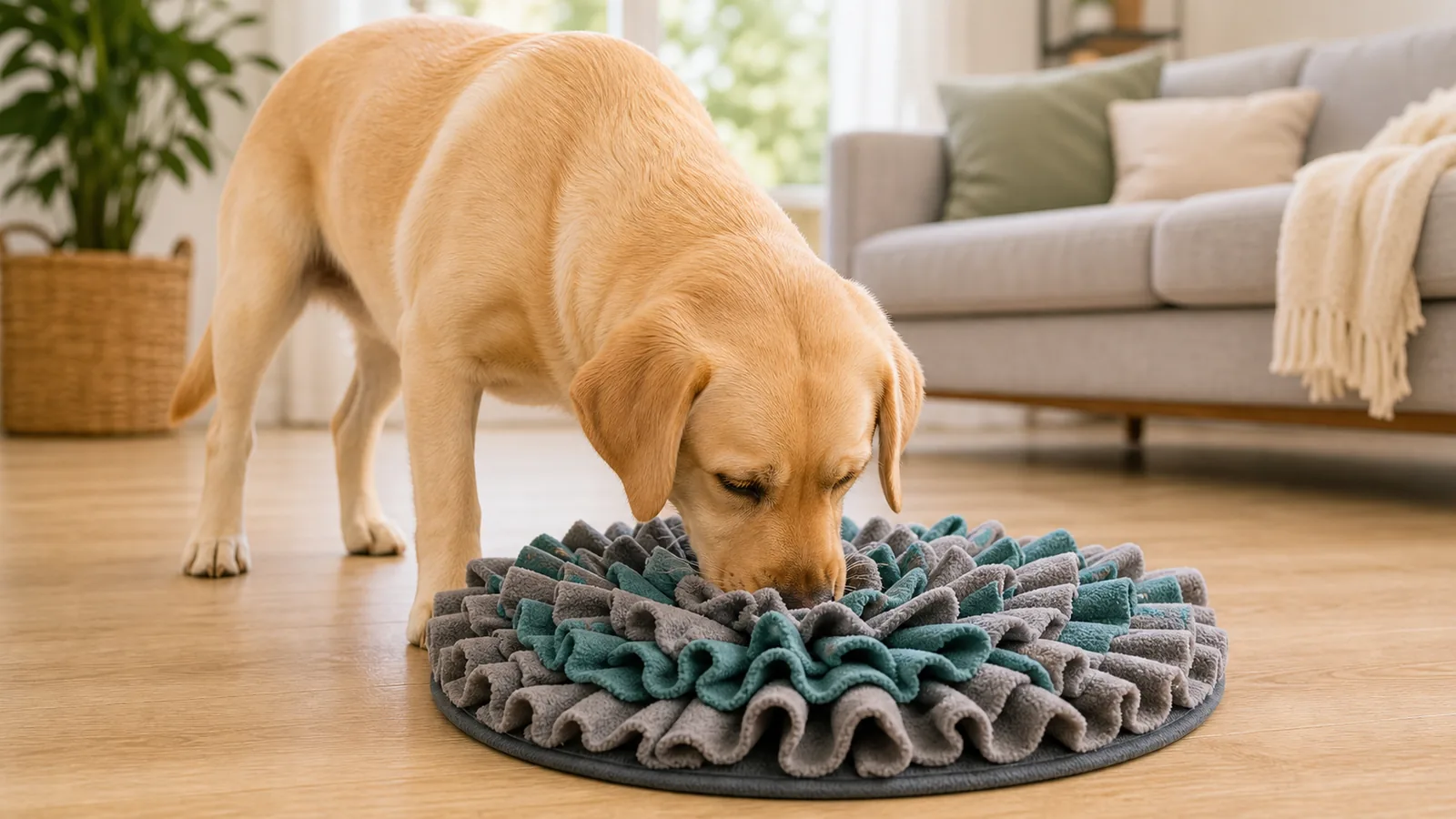
How to Use a Snuffle Mat: A Beginner's Guide

How to Use a Snuffle Mat: A Beginner's Guide

How to use a snuffle mat step by step: what food to use, how much, four difficulty levels, how often, washing and drying, and fixes for common problems.

9 Indoor Dog Activities for Rainy Days

9 Indoor Dog Activities for Rainy Days

9 indoor dog activities compared by space, noise and energy burned, plus a full stuck-inside day plan and tips for flats and puppies.

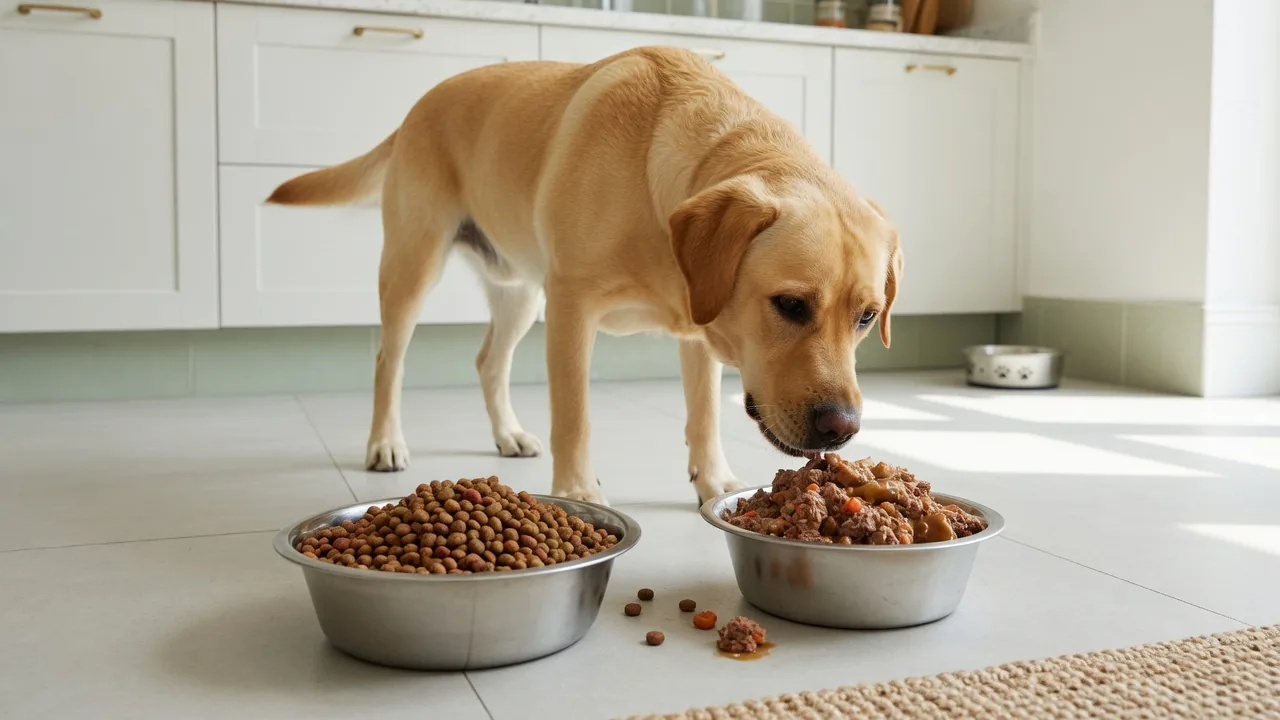
Kibble vs Wet Food for Dogs

Kibble vs Wet Food for Dogs

Kibble vs wet food for dogs: real differences in cost, calories, teeth, hydration and picky eating, plus how to mix or switch safely. Pick what fits.

Lick Mats for Dogs: Benefits & How to Use Them

Lick Mats for Dogs: Benefits & How to Use Them

Lick mats for dogs: what they do, how to choose one, how to use it for baths, nail trims and alone time, plus safety, portions and cleaning.

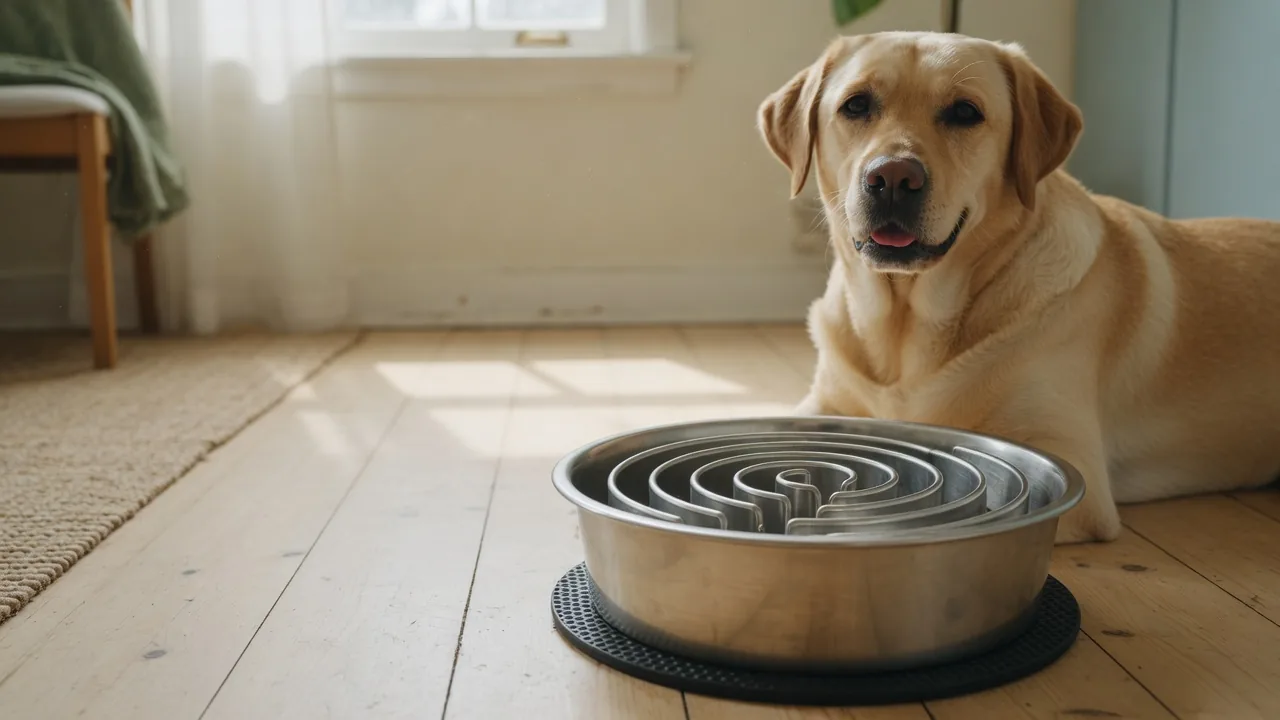
Maze Dog Bowl: What It Is and How to Choose One

Maze Dog Bowl: What It Is and How to Choose One

What a maze dog bowl does, how spiral, wave and petal patterns differ, how to pick size and difficulty for your dog's muzzle, and how to clean it.

Mental Stimulation for Dogs: Why and How to Do It

Mental Stimulation for Dogs: Why and How to Do It

Mental stimulation for dogs explained: five types of brain work, how much your dog needs by age and breed, a weekly plan, and signs you're overdoing it.

Puppy Eating Too Fast? How to Slow Them Down Safely

Puppy Eating Too Fast? How to Slow Them Down Safely

Puppy eating too fast? See why puppies gulp, safe ways to slow them at each age without cutting food, mistakes to avoid and when to call the vet.

Puppy Feeding Schedule: A Guide By Age

Puppy Feeding Schedule: A Guide By Age

A puppy feeding schedule by age, 8 weeks to 12+ months: meals per day, sample times, large-breed differences, and when to call your vet.

Raised Dog Bowl vs Slow Feeder: Do You Need Both?

Raised Dog Bowl vs Slow Feeder: Do You Need Both?

Raised dog bowl vs slow feeder: one fixes posture, the other eating speed. A decision guide by problem, size and age, plus whether you can combine them.

Do Raised Dog Bowls Cause Bloat?

Do Raised Dog Bowls Cause Bloat?

Do raised dog bowls cause bloat in dogs? Here's what the research actually shows, which dogs may want to avoid elevation, and safer alternatives.

Enrichment for Senior Dogs: Gentle Ways to Keep Them Sharp

Enrichment for Senior Dogs: Gentle Ways to Keep Them Sharp

Senior dog enrichment doesn't need to be strenuous. Gentle sniffing games, slow feeders and low-impact puzzles that keep aging dogs sharp and calm.

Senior Dog Feeding Guide

Senior Dog Feeding Guide

Senior dog feeding guide: when dogs count as senior, calories vs protein, meal timing, softer food, bowl comfort and the signs that need a vet.

8 Signs Your Dog Is Bored (and What to Do About It)

8 Signs Your Dog Is Bored (and What to Do About It)

Signs your dog is bored: chewing, digging, barking, pacing and more. How to tell boredom from anxiety or pain, plus a simple two-week plan to fix it.

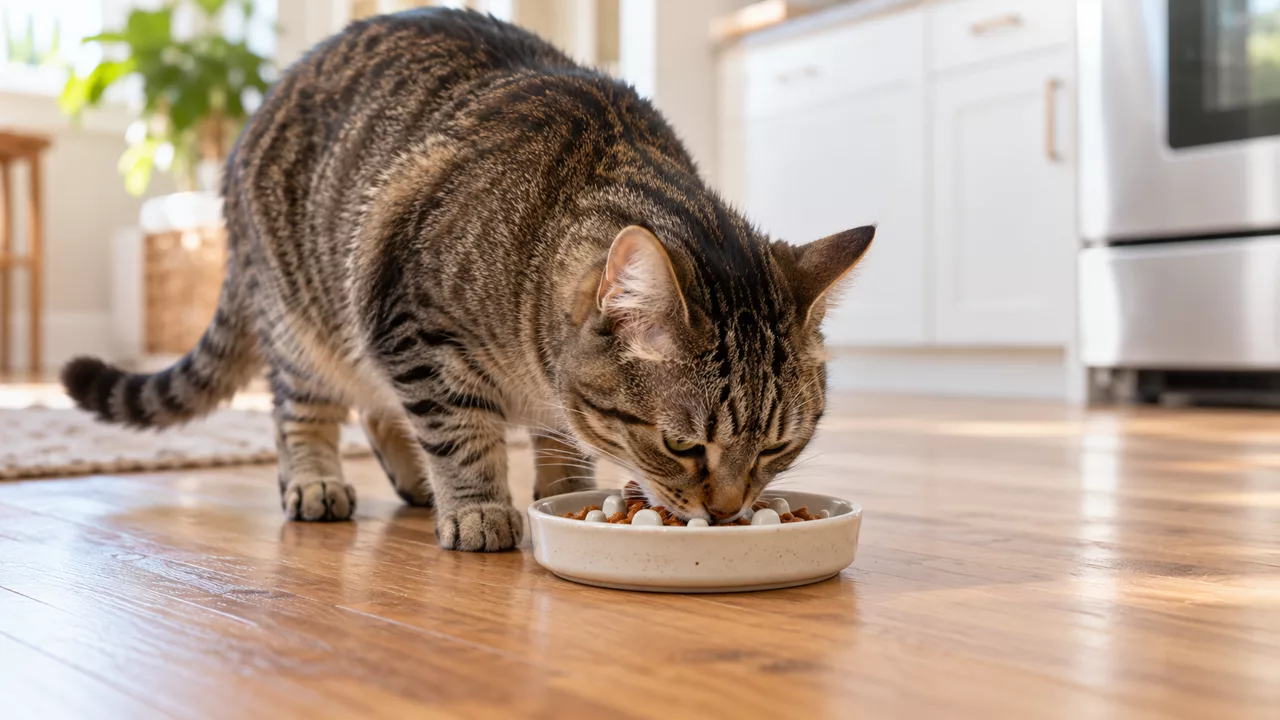
Slow Feeder Cat Bowls: Do Cats Need Them Too?

Slow Feeder Cat Bowls: Do Cats Need Them Too?

Do cats need a slow feeder cat bowl? When it helps with scarf-and-barf, what design suits a cat, DIY options, multi-cat tips, and when to see a vet.

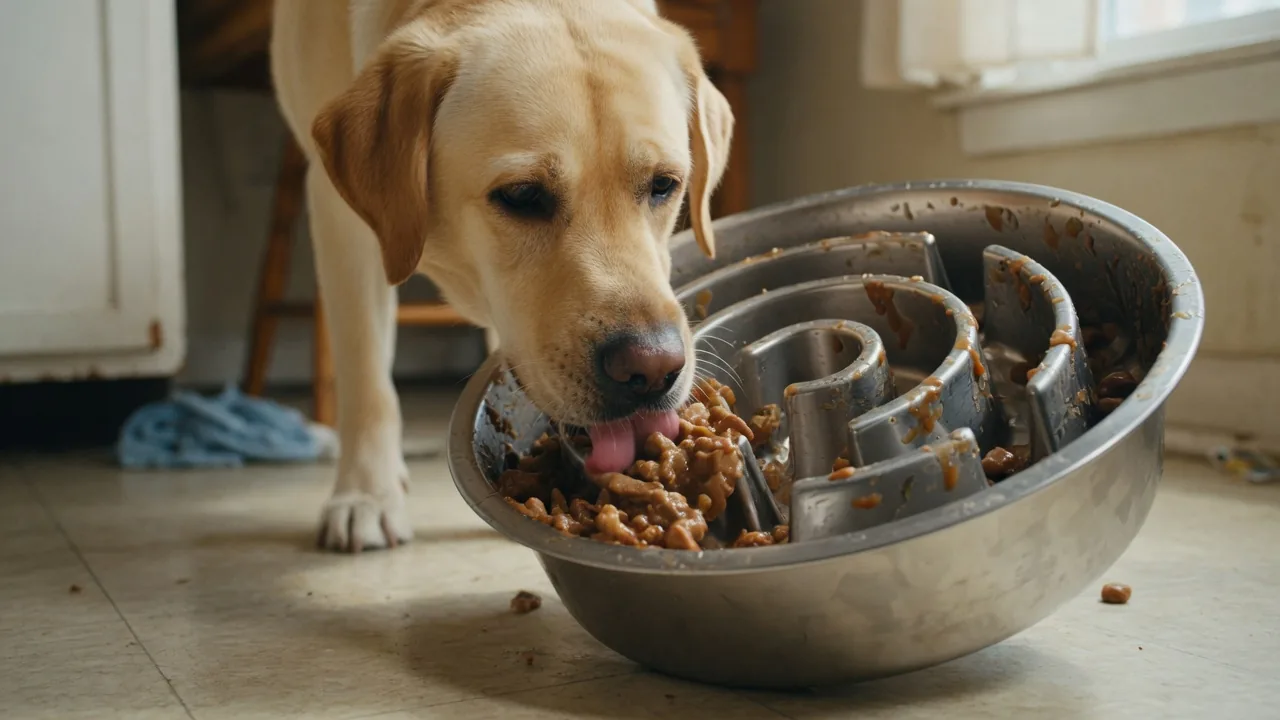
Can You Use a Slow Feeder for Wet Food?

Can You Use a Slow Feeder for Wet Food?

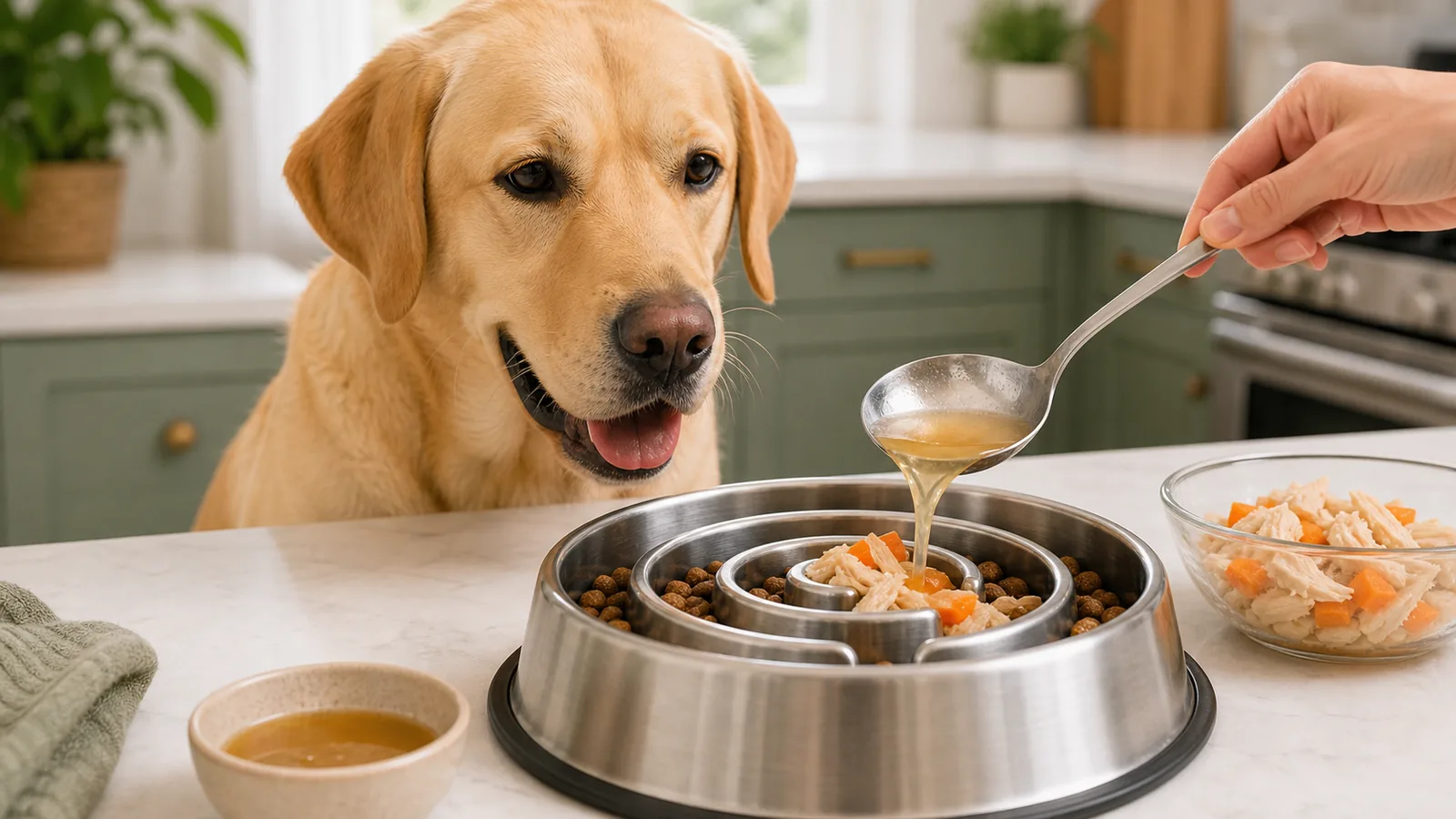
Yes, if you spread wet food thin in the channels. How to load a slow feeder, which bowl patterns suit wet and raw food, and how to clean it after.

Snuffle Mat vs Puzzle Feeder: Nose Work or Paw Work?

Snuffle Mat vs Puzzle Feeder: Nose Work or Paw Work?

Snuffle mat vs puzzle feeder toy: scent foraging versus paw-and-nose problem-solving. See which suits your dog's play style and how to test it first.

Snuffle Mat vs Slow Feeder Bowl: Which Is Better?

Snuffle Mat vs Slow Feeder Bowl: Which Is Better?

Snuffle mat vs slow feeder bowl compared on eating speed, enrichment, food type, cleaning and mess, with clear picks by dog and a routine for using both.

Stainless Steel vs Plastic Slow Feeder Dog Bowls: Which Is Better?

Stainless Steel vs Plastic Slow Feeder Dog Bowls: Which Is Better?

Stainless steel vs plastic slow feeder bowls compared on hygiene, chewing, chemicals, maze design and real cost — plus the cases where plastic still wins.

What Is a Slow Feeder Dog Bowl? (And How It Works)

What Is a Slow Feeder Dog Bowl? (And How It Works)

A slow feeder dog bowl has built-in ridges or mazes. See its parts, how it works, types, materials, sizes and how it differs from puzzle feeders.

What to Put on a Lick Mat for Dogs (25+ Safe Ideas)

What to Put on a Lick Mat for Dogs (25+ Safe Ideas)

What to put on a lick mat for dogs: 25+ safe, vet-conscious filling ideas, foods to avoid, and freezer tricks that make a lick mat last longer.

When Can Puppies Start Using Lick Mats?

When Can Puppies Start Using Lick Mats?

No official minimum age, but most puppies can start a lick mat from about 8 weeks, once weaned. Safe fillings, supervision, teething and cleaning.

Why Does My Dog Eat So Fast? (And How to Fix It)

Why Does My Dog Eat So Fast? (And How to Fix It)

Why does my dog eat so fast? The 8 real causes, from instinct and competition to medication and illness, how to tell which applies, and when to see a vet.

Why Is My Dog Always Hungry?

Why Is My Dog Always Hungry?

Why is my dog always hungry? How to tell habit and breed drive from underfeeding or illness, the vet red flags, and ways to make meals more filling.

Why Is My Dog Destroying Everything? Common Causes & Fixes

Why Is My Dog Destroying Everything? Common Causes & Fixes

Dog suddenly destroying things? Boredom, anxiety, teething and excess energy are the usual causes. See which one fits your dog, plus fixes that work.

Where to start

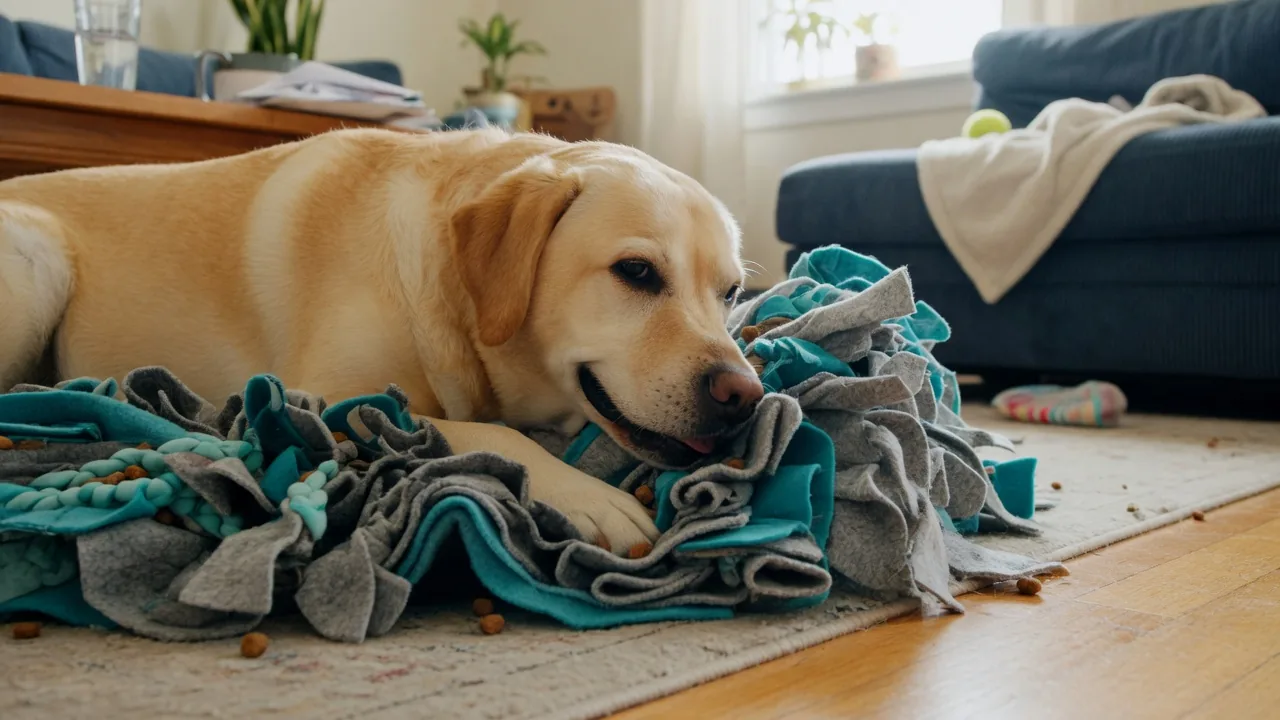
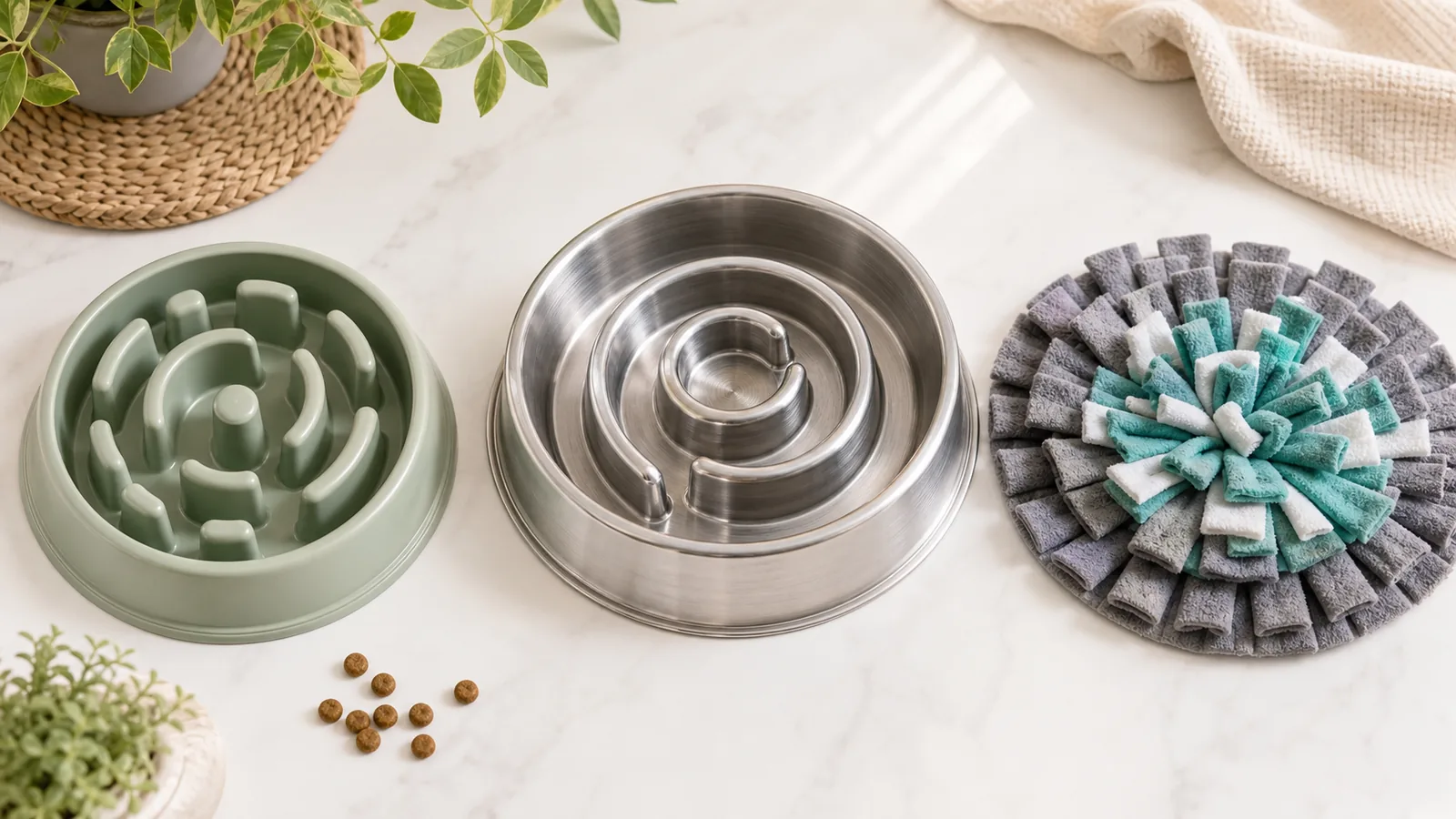
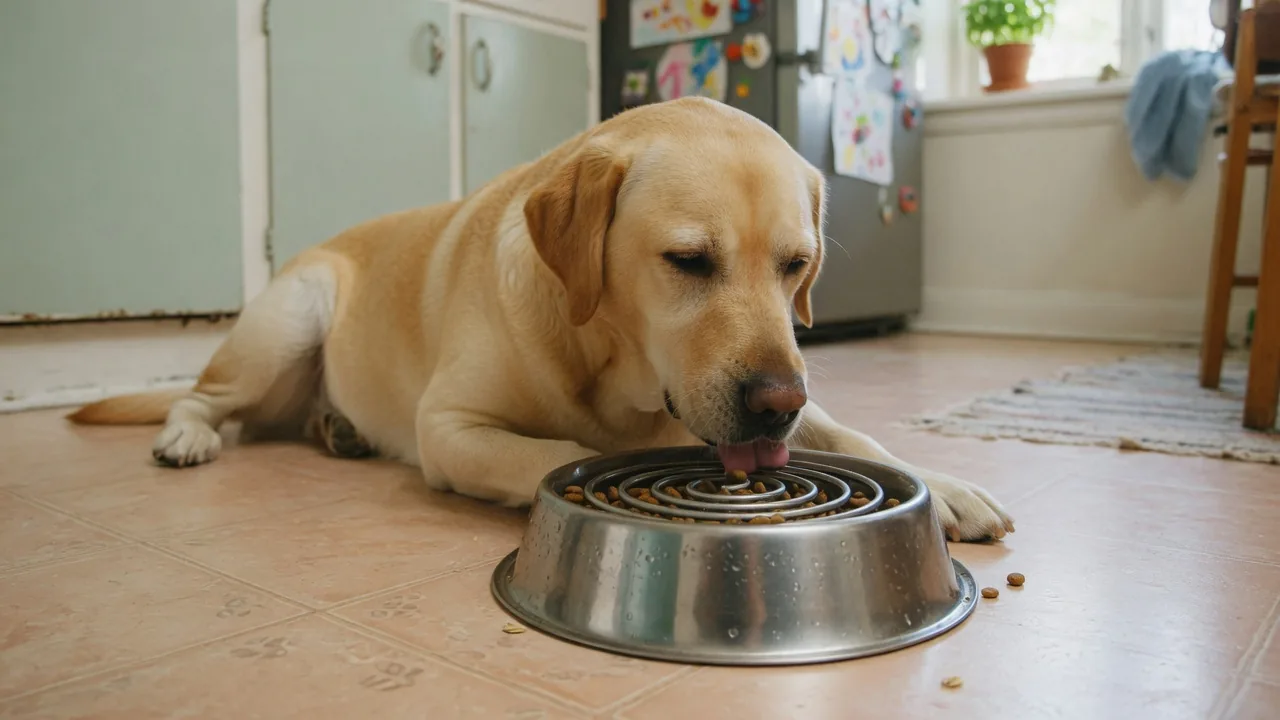
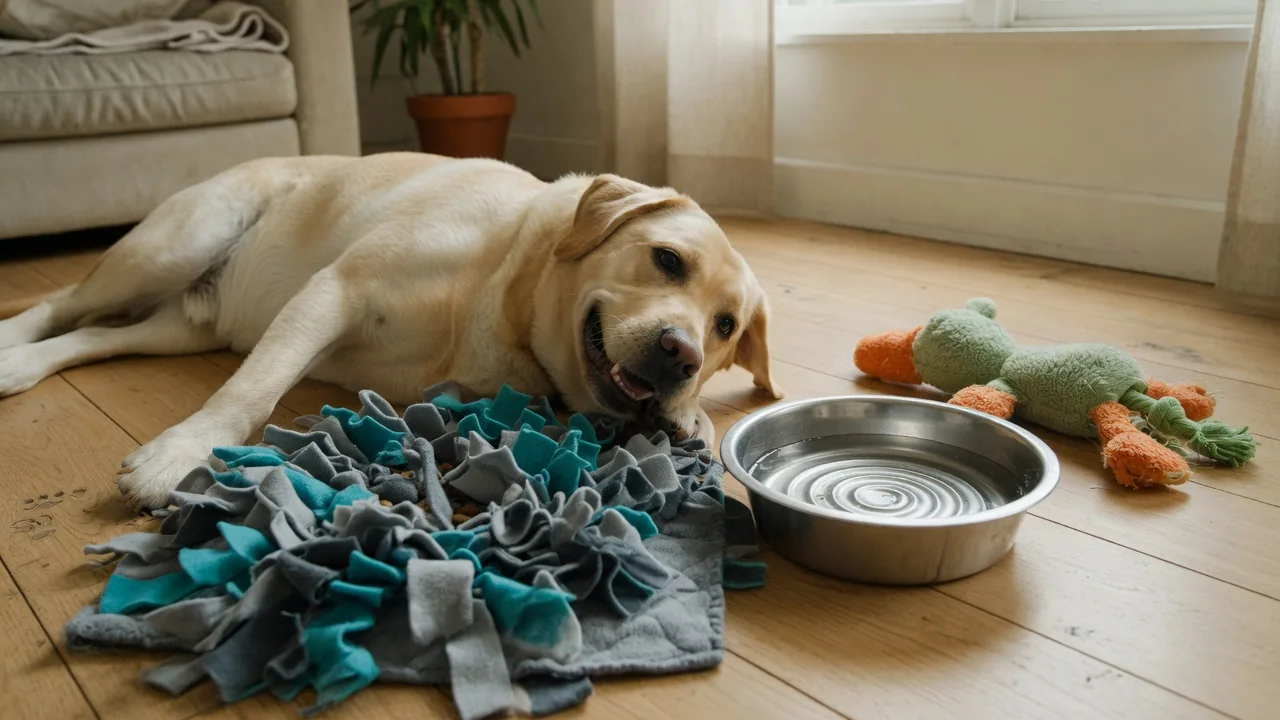
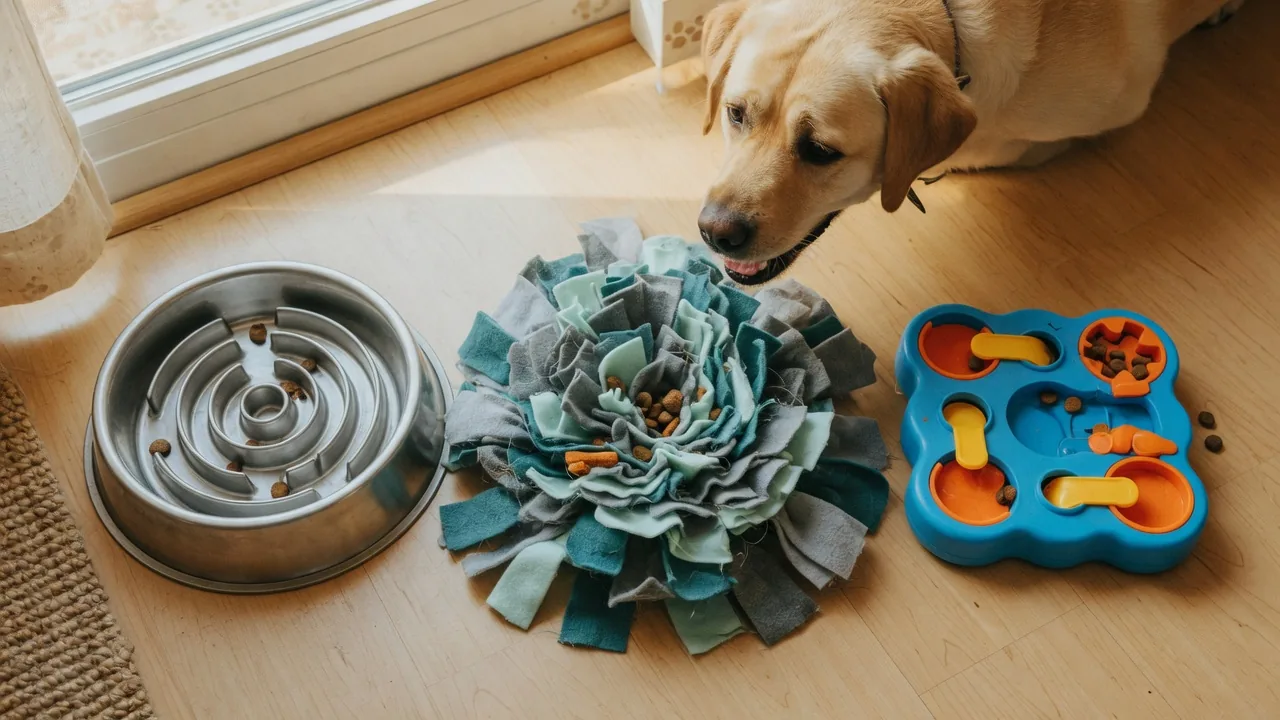
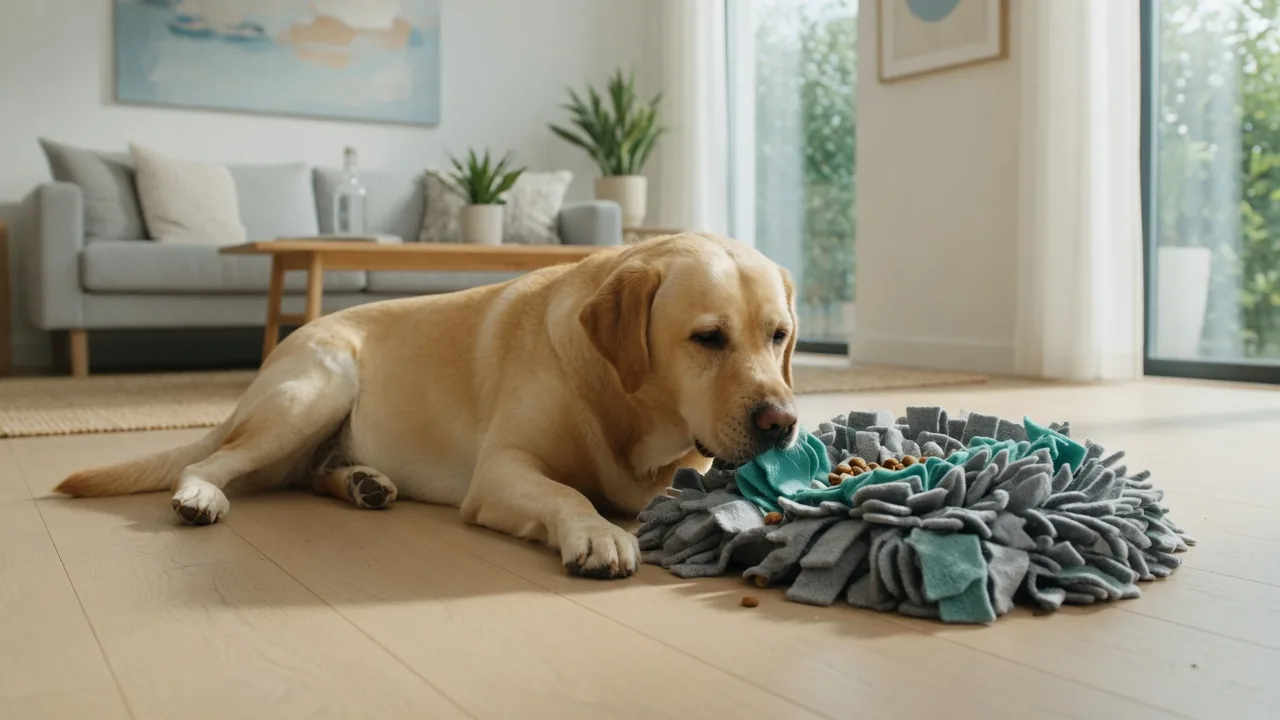
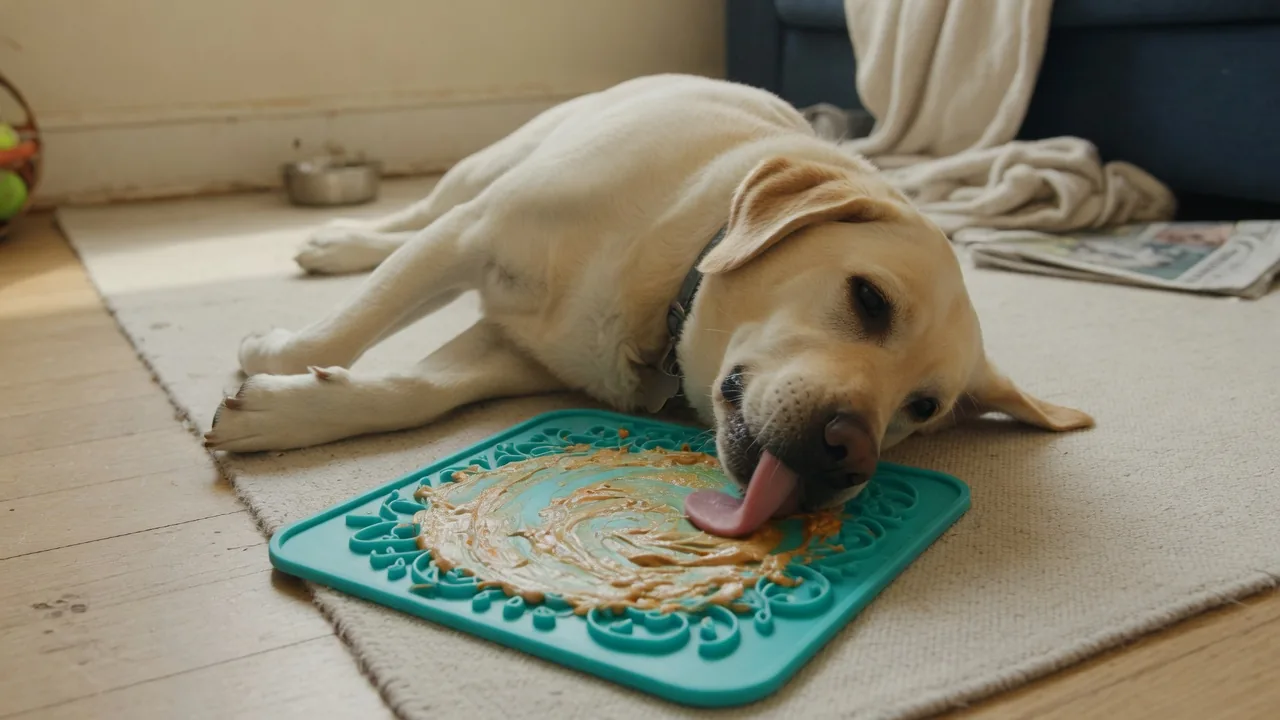
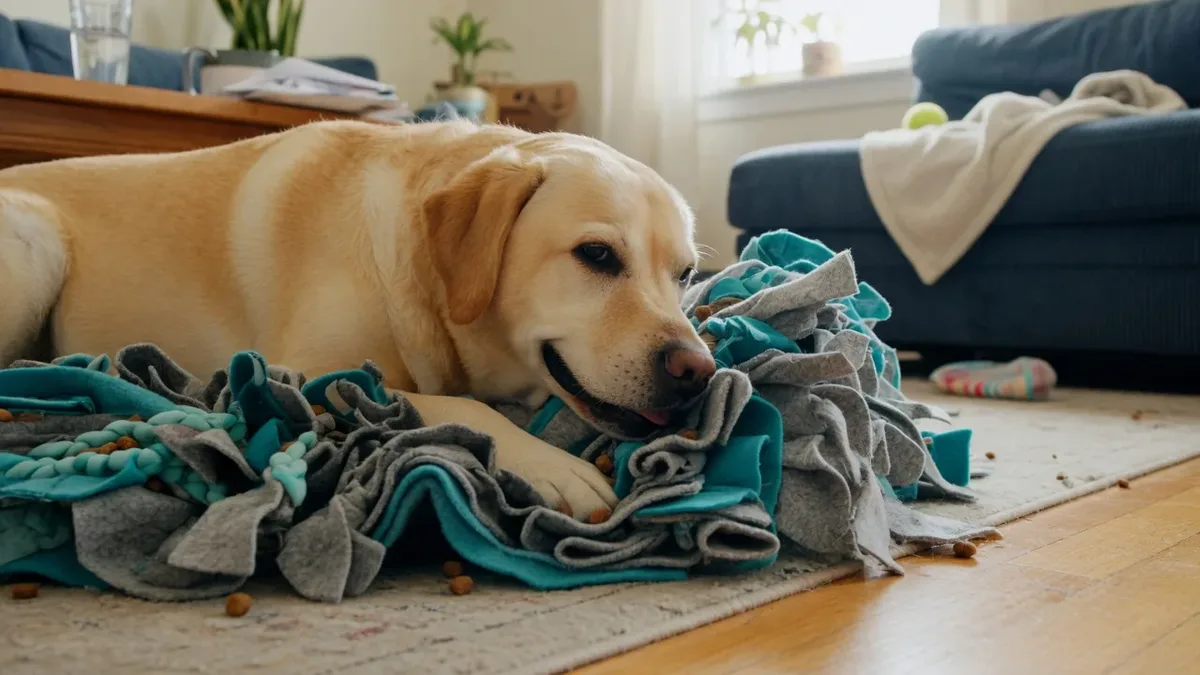
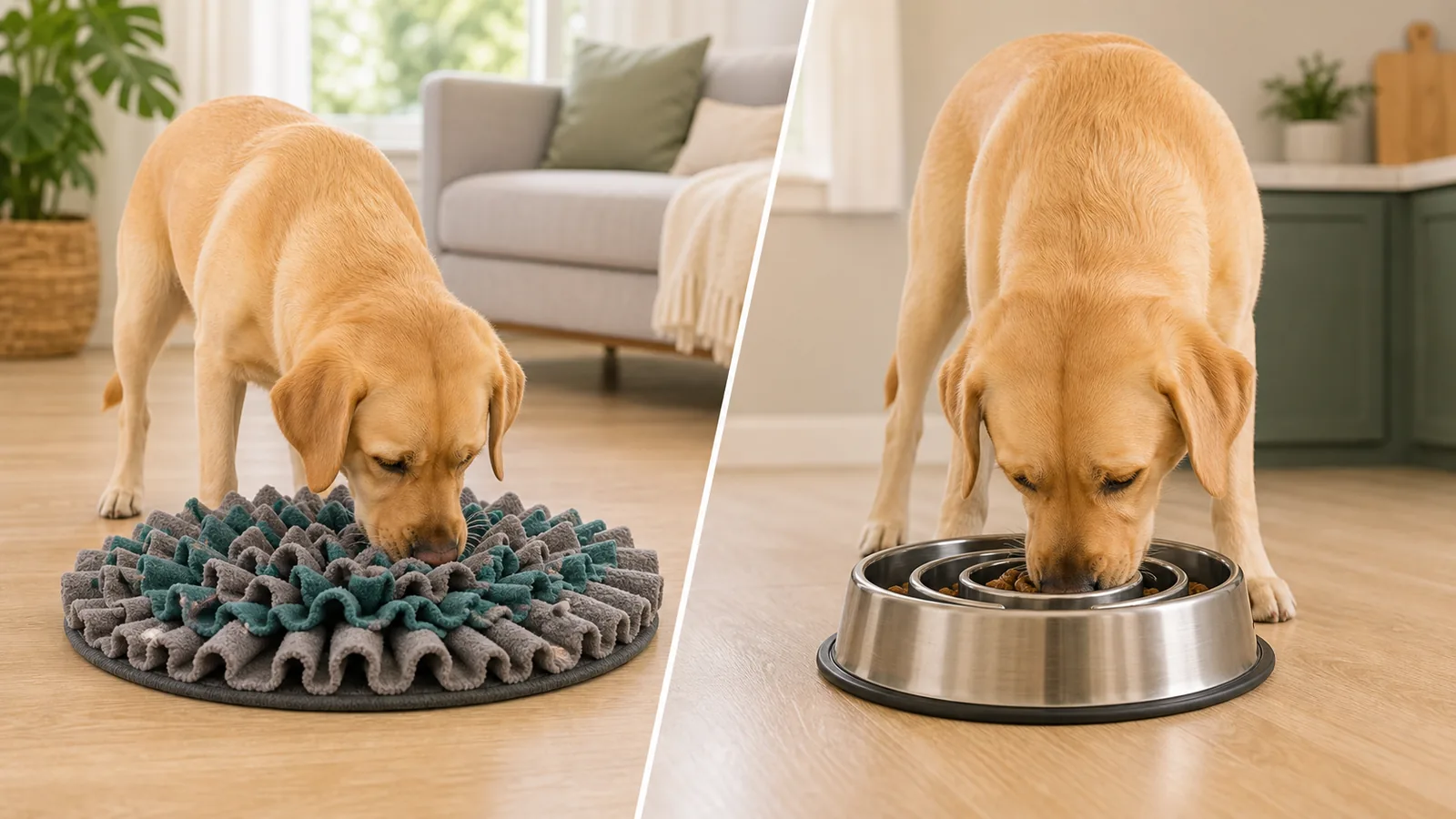
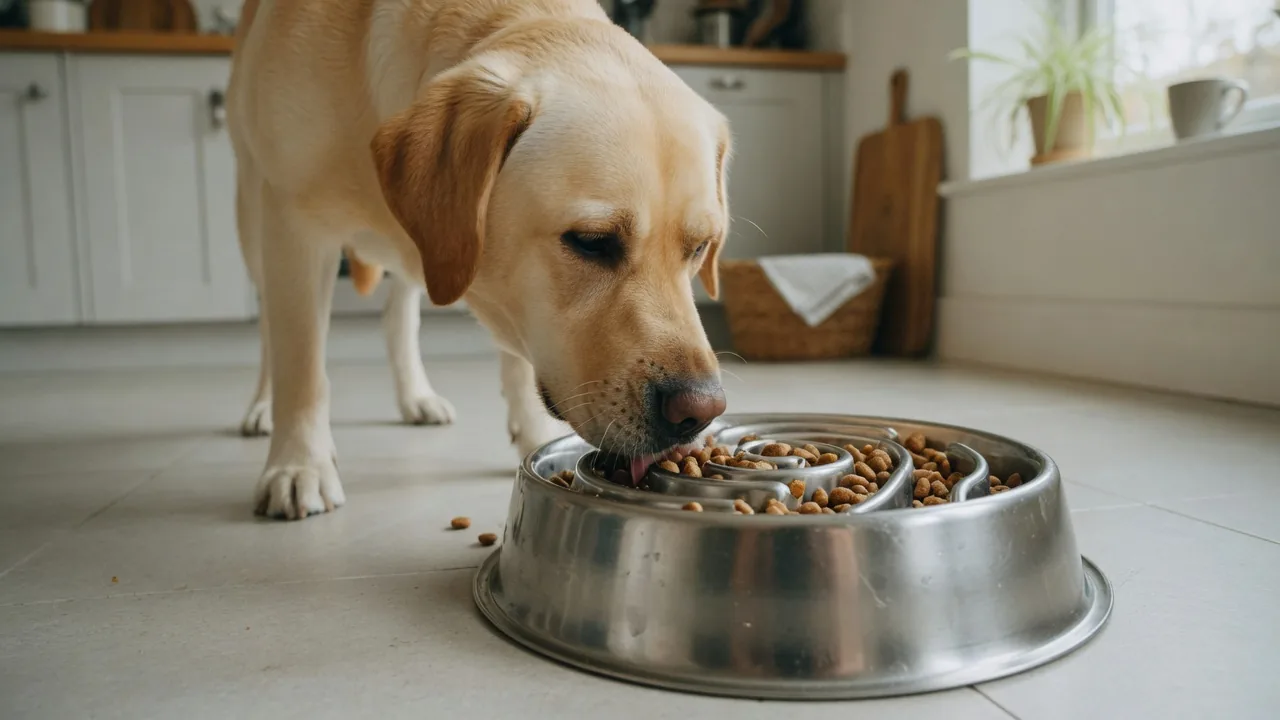
If your dog inhales dinner and then coughs, burps or brings it straight back up, start with the basics of slow feeding — what a maze bowl does to eating speed, and why ten minutes of chewing beats ninety seconds of swallowing. If mealtime is fine but the rest of the day is restless, the enrichment guides are the better entry point: a snuffle mat turns a bowl of kibble into twenty minutes of sniffing work, which tires a dog in a way a walk often doesn't. Not sure which to buy first? Our comparison of snuffle mat vs slow feeder bowl covers it, and snuffle mat vs puzzle feeder is the one for puzzle toys.

Breed-specific picks

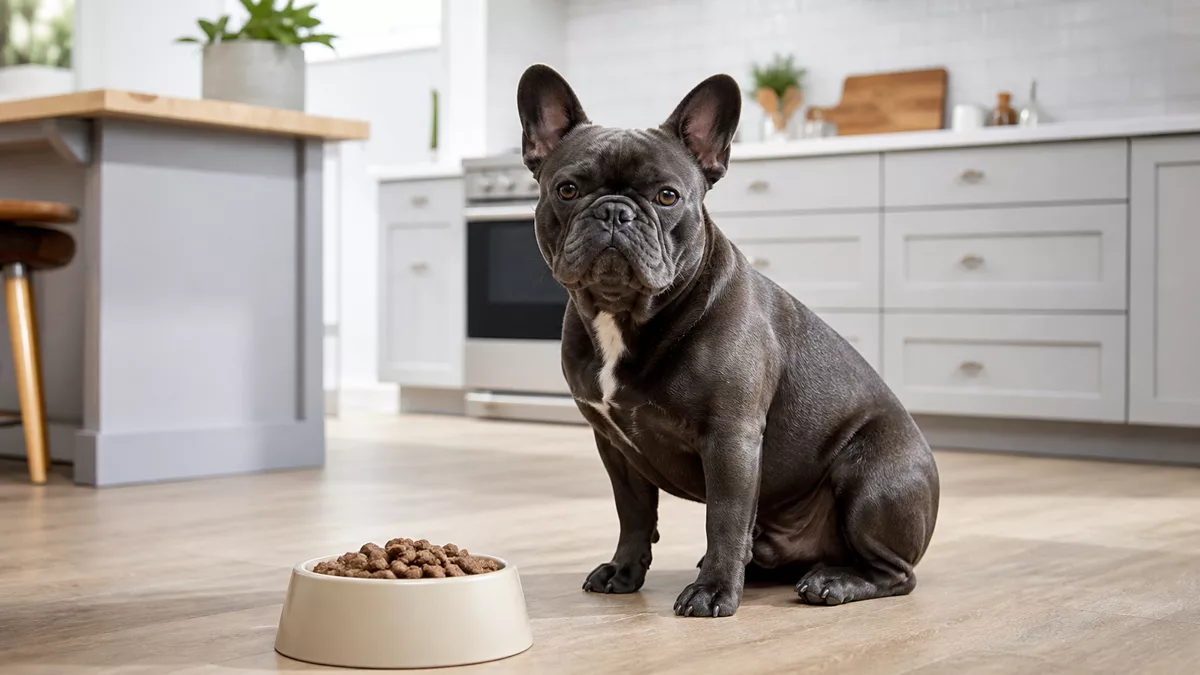
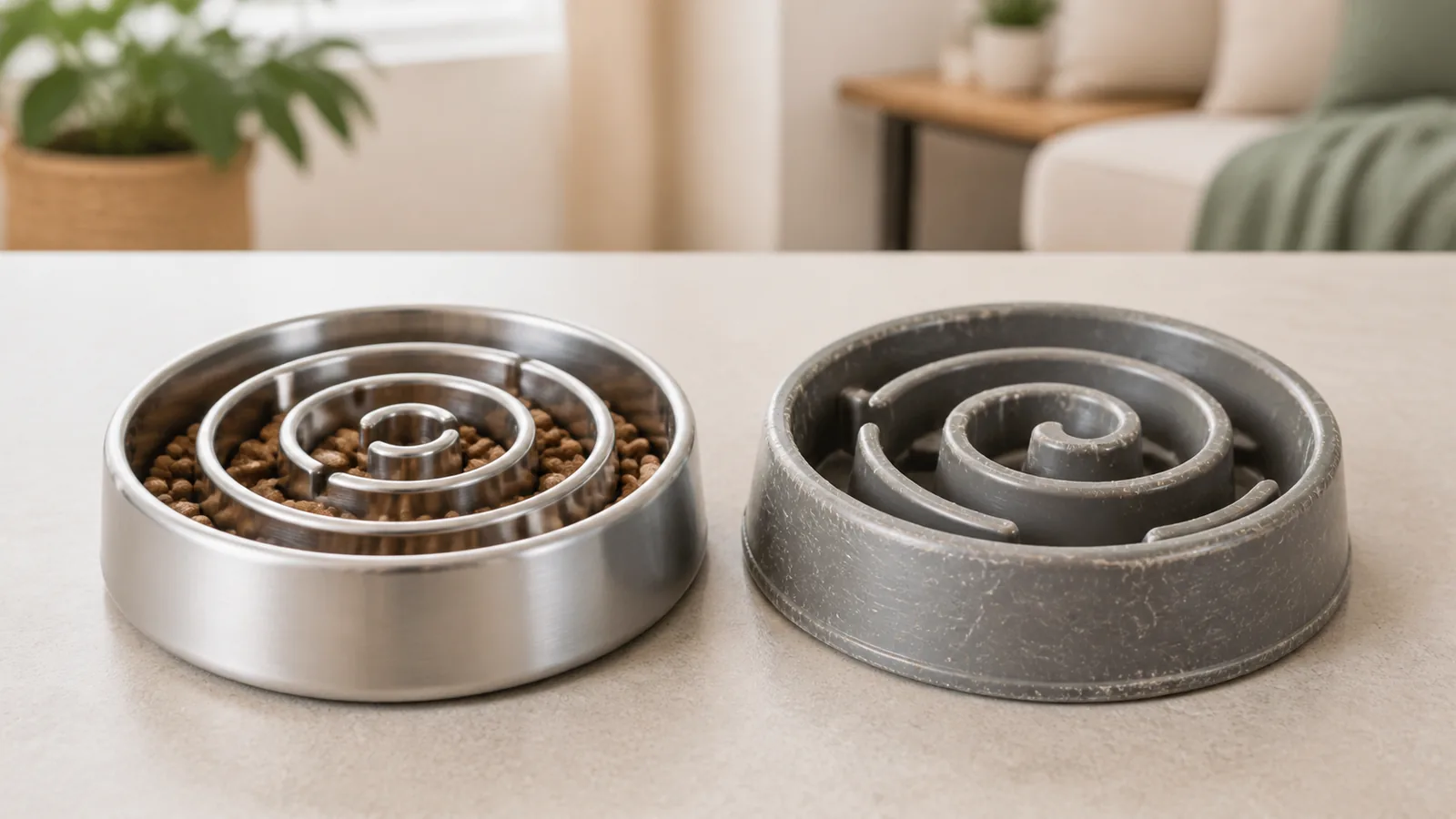
Slow feeders are not one-size-fits-all. Deep, tight mazes that work on a Labrador are unusable for a flat-faced Bulldog; a Dachshund needs shallow channels it can reach without straining its neck; a Great Dane needs a base wide enough not to skate across the floor. The breed guides below work through those trade-offs one dog at a time.

When to see a vet

Fast eating is usually a habit, not an illness — but a distended, hard abdomen, unproductive retching, sudden ravenous hunger, or weight loss despite a normal appetite are veterinary questions. Our guides flag those lines where they come up, and they don't try to replace an examination.